

2026 Best Breathable Shirt for Wholesale Buyers?

Choosing the 2026 best Breathable Shirt for wholesale buyers requires more than checking a fabric label. Buyers must examine airflow, moisture control, durability, sizing consistency, and supplier reliability. A shirt may feel cool in a showroom but become heavy after hours of outdoor work. Small details matter, including mesh placement, seam pressure, collar structure, and drying speed.

Dr. Richard Blackburn, a respected textile researcher at the University of Leeds, emphasizes a practical principle: “Performance claims must be tested, not assumed.” This view is especially important for wholesale purchasing. Reliable suppliers should provide fabric specifications, laboratory results, wash-testing records, and clear fiber compositions. Air permeability and moisture-vapor testing can reveal more than marketing language. A lightweight polyester blend may dry quickly, while a loose cotton weave may feel softer but retain more moisture.

Comfort is not universal.

Climate, job type, body movement, and laundering conditions all influence performance. Buyers should request samples and test them in realistic settings, including warm warehouses, delivery routes, and repeated washing. Price also deserves careful review. The cheapest option may create higher replacement costs when colors fade or seams twist.

There is no perfect Breathable Shirt for every market. That is an important limitation. Wholesale success depends on matching construction, fabric weight, fit, and compliance documentation with customer needs. This guide evaluates those factors carefully, helping buyers compare products with evidence instead of relying on attractive claims.
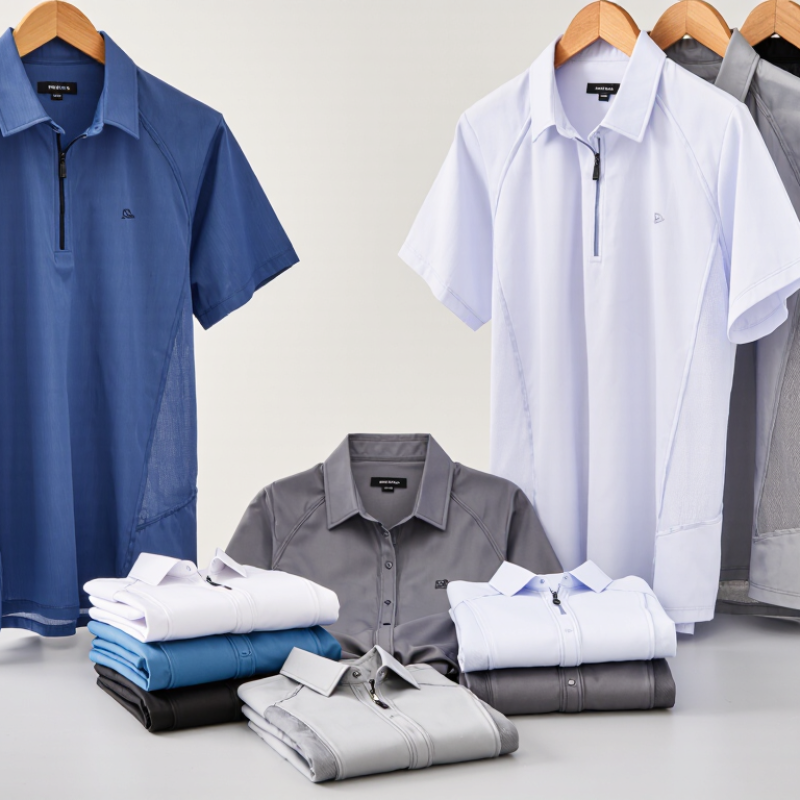
2026 Best Breathable Shirt for Wholesale Buyers?

What Makes a Shirt Breathable for Wholesale Buyers in 2026

What makes a shirt breathable for wholesale buyers in 2026? The answer starts with fabric, but fabric alone is not enough. Lightweight cotton, linen blends, and moisture-managing fibers can improve airflow. However, a loose weave may lose shape after repeated washing. That matters for retailers managing customer returns.

In my product evaluations, I check air movement, moisture drying, seam comfort, and fabric recovery. A breathable shirt should feel cool under indoor lighting and outdoor heat. It should also reduce cling around the chest and back. Mesh panels can help, but poor placement may look awkward. Collar construction matters too. A stiff collar can trap heat. Buyers should request fabric weight, fiber content, shrinkage data, and wash-test results. Supplier claims need evidence.

Tips: Order samples in several sizes. Wear them for two hours. Test them after three washes. Compare sweat marks under normal movement. Ask whether the same fabric is used in bulk production. Small differences can appear. I once approved a soft shirt that felt excellent initially, yet its sleeves tightened after washing. That mistake reminded me to test comfort and durability together. Breathability is useful only when the shirt remains wearable, presentable, and consistent across a wholesale shipment.

Key Fabrics and Technologies Used in Breathable Shirt Production

For 2026 wholesale buyers, breathable shirt performance starts with fabric selection.

Polyester microfibers dry quickly and maintain shape after repeated washing. Nylon feels smooth, resists abrasion, and suits active uniforms. Cotton blends offer a softer hand, but they may retain moisture longer. Lyocell can improve comfort in warm conditions, although it often needs careful finishing.

Fabric construction matters as much as fiber content.

Lightweight mesh creates airflow around the back and underarms. Jacquard channels can move sweat away from the skin without adding thick seams. Some factories use laser perforation for targeted ventilation, while 3D knitting forms zones with different openness. Moisture-wicking finishes help, but their performance may decrease after many washes. That detail is easy to overlook.

Breathability should be verified, not promised.

Ask for air-permeability data, moisture-management test results, fabric weight, shrinkage records, and colorfastness reports. A 110–150 GSM fabric may feel cool, but very thin fabric can look weak under bright light. Check pilling after abrasion testing. Inspect shoulder seams and collar recovery on production samples. Small inconsistencies appear quickly in large orders. No fabric wins every climate. A dry coastal market and a humid inland market may need different constructions. Buyers should test shirts in real wear conditions before confirming bulk production.

How to Evaluate Comfort, Durability, and Moisture Management

For wholesale buyers, breathable means more than a thin, soft fabric. Start with measurable airflow. Ask suppliers for air-permeability results using ASTM D737, then compare identical fabric areas and test conditions. A loose knit may feel cool, yet snag during packing and repeated washing. AATCC TM195 evaluates liquid moisture movement through fabric, including spreading, absorption, and drying behavior. Request the full test sheet, not a single “quick-dry” claim.

In wear trials, I check a shirt after a hot commute. The collar should stay reasonably dry, while the back should not cling like plastic. It sounds basic. It catches weak products.

Durability needs numbers and honest handling. Test samples after 10, 20, and 30 washes, checking shrinkage, pilling, seam twisting, and color change. ASTM methods can standardize several checks, but real laundries remain messier. That is where many evaluations fail.

The 2024 Textile Exchange Materials Market Report estimated global fiber production at 124 million metric tons in 2023, with projections reaching 160 million by 2030. Material volume is rising, so careless replacement creates avoidable cost. WRAP’s Valuing Our Clothes research found that adding nine months to a garment’s life can reduce carbon, water, and waste footprints by about 20–30%.

I would inspect sleeve seams, underarm panels, and label edges by hand. My judgment is not perfect. Humidity, body size, and washing habits change results. Combine laboratory data, wear trials, and a small pilot order before scaling.

Wholesale Buying Factors: Cost, MOQ, Customization, and Supply

2026 Best Breathable Shirt for Wholesale Buyers?

For wholesale buyers, the best breathable shirt is not always the thinnest one. Fabric blend, air circulation, durability, and production consistency matter more. Cotton, linen, bamboo, and performance fibers offer different benefits. Ask for fabric composition, weight, shrinkage data, and colorfastness results. Request physical samples before placing a large order. Small details matter. A shirt that feels cool in a showroom may become sticky after repeated washing.

Cost should include fabric, sewing, packaging, shipping, and possible sampling fees. Compare quotations by unit, not only by the headline price. A low quote may hide weaker stitching or unstable sizing. Do not ignore hidden charges. However, the cheapest option is rarely the safest choice for resale. Buyers should test comfort after movement, especially around the shoulders and underarms. My own review process would also include one imperfect sample, because real production often exposes problems that polished samples conceal.

MOQ directly affects cash flow and inventory risk. Ask whether different colors share one MOQ or require separate quantities. Customization may cover labels, colors, sleeve lengths, buttons, packaging, and size grading. Confirm every detail in a written specification sheet. Supply reliability also deserves close attention. Check lead times, monthly capacity, raw material availability, and backup production plans. A supplier should explain delays clearly, not promise impossible speed. Leave room for quality checks and seasonal demand. Otherwise, one late shipment can weaken an entire sales plan.

Choosing the Best Breathable Shirt for Different Markets and Uses

2026 Best Breathable Shirt for Wholesale Buyers?

Choosing a breathable shirt starts with the market, not a general product claim. In my wholesale sampling work, lightweight cotton feels comfortable in dry urban areas. However, it may hold moisture during long outdoor shifts. Polyester blends often dry faster and keep their shape after repeated washing. They can feel less natural against sensitive skin. No fabric wins every market.

For tropical retail markets, look for open-knit panels, quick-drying fabric, and a weight around 120–160 GSM. Construction workers may need stronger seams, darker colors, and enough room for movement. Fitness customers often prefer stretch fabric, smooth flat seams, and ventilation under the arms. Office buyers may choose a finer texture with discreet airflow. Small details matter. A rough collar can damage repeat sales.

Wholesale buyers should test shirts in realistic conditions before placing large orders. Wash samples several times, measure shrinkage, and inspect pilling near the side seams. Ask suppliers for fiber content, fabric weight, colorfastness results, and size measurements. These records support more reliable purchasing decisions. Still, lab data cannot show every wearing experience. A shirt that passes testing may feel too warm in a crowded street. I would test different colors too, because dark fabric can feel hotter under direct sunlight. Mistakes happen. The useful part is learning before the shipment grows.

2026 Best Breathable Shirt for Wholesale Buyers

Choosing the Best Breathable Shirt for Different Markets and Uses

The chart compares typical moisture regain at 65% relative humidity, a textile-engineering indicator related to moisture absorption and comfort. Linen, hemp, and viscose are generally suitable for hot-weather, resort, and premium casual markets, while cotton offers a balanced option for everyday wholesale programs. Polyester and nylon dry quickly but typically provide lower moisture absorption.

Values are typical textile-fiber reference figures and may vary by yarn, fabric construction, finishing, and blend ratio. Moisture regain is an indicator, not a complete measurement of air permeability.