
What Are the Best Golf Gear Essentials?

Choosing the right golf gear can change more than your scorecard. It can influence comfort, confidence, consistency, and even how long you enjoy each round.

Tom Wishon, a respected golf club designer and founder of Wishon Golf, has often emphasized a simple truth: “There is no such thing as a standard golf club.” His point matters because every golfer has different swing speed, hand size, posture, course conditions, and physical needs. A driver that feels powerful for one player may feel unstable for another. A glove may prevent slipping, while the wrong shoe can create discomfort before the back nine.

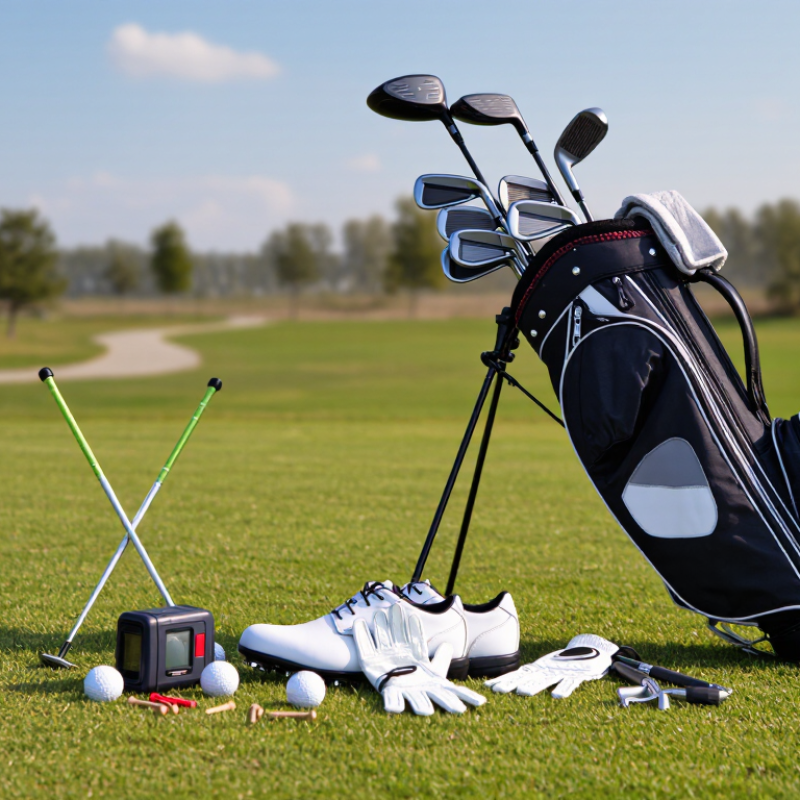
Good golf gear should solve real problems. Start with properly fitted clubs, stable shoes, weather-ready clothing, and a glove that maintains grip. Add useful accessories, such as a rangefinder, alignment sticks, or a lightweight stand bag. Small details matter. A wet towel, worn spike, or loose grip can quietly affect every shot.

Not every expensive product is necessary. That is easy to forget. Some golfers buy advanced equipment before improving basic technique. Others choose familiar brands without checking fit. I have found that practical testing often reveals more than marketing claims. Hit several clubs. Walk in the shoes. Check the bag’s weight on your shoulder.

The best golf gear is personal, durable, and suitable for your playing conditions. It should support better decisions, not promise miracles. Sometimes, the smartest upgrade is modest.
What Are the Best Golf Gear Essentials?

Define the Essential Kit Around the USGA’s 14-Club Maximum

What Are the Best Golf Gear Essentials?

A reliable golf setup begins with the USGA’s 14-club maximum. This limit shapes every equipment decision. A practical kit might include a driver, fairway wood, hybrid, irons, wedges, and a putter. The exact combination should match your swing, distance gaps, and course conditions. More clubs do not automatically create better scores.

Start with clear yardage spacing. A driver can cover long tee shots, while a fairway wood or hybrid offers control from the fairway. A matched iron set may run from a mid-iron to a pitching wedge. Add one or two wedges for bunker shots, chips, and controlled approaches. A putter needs a stable grip and a comfortable alignment line. Small differences matter.

Accuracy matters more than appearance.

Your bag also needs golf balls, tees, a glove, a towel, and a repair tool. Keep a rain layer and water nearby when conditions change. A distance-measuring device can help, but check the course’s local rules before using it. I once carried too many specialty clubs and ignored a large distance gap. That choice looked prepared, but it created hesitation. Test each club on the range, record actual carry distances, and remove any club that repeats another’s job. The best essential kit is not the fullest one. It is the one you understand under pressure.

Use Launch-Monitor Data to Set Club Gaps and Shaft Flex

What Are the Best Golf Gear Essentials?

A launch monitor can turn club selection into a measurable process. Record carry distance, total distance, ball speed, launch angle, spin, and dispersion. Hit at least ten shots with each club, then remove obvious mishits. I usually trust the middle pattern, not the longest shot. My first chart was flawed because I included one unusually strong swing. That mistake inflated my club gaps by almost eight yards.

Tips: Build gaps from carry distances. Aim for 10–15 yards between irons, depending on your speed and playing style. Test partial shots with wedges, too. A 52-degree wedge may overlap another club more than expected. Outdoor wind can distort results, so repeat testing in calm conditions when possible.

Shaft flex should support your swing, not define it. Swing speed offers a starting point, but tempo, transition force, launch, and face control matter more. A player with a quick transition may need a firmer profile, even with moderate speed. A smoother swinger may prefer a lighter, more flexible shaft for better timing.

Compare two or three flex options using dispersion and strike quality. Pay attention to left-right spread, not only distance. I once chose a shaft that produced longer shots but poorer contact. It looked impressive on paper and felt unreliable on the course. Calibration matters. Check the monitor setup, ball condition, and hitting surface before trusting small differences.

Choose R&A/USGA-Conforming Balls: 1.68-Inch Minimum Diameter

Choosing the right golf ball is a practical part of building a reliable gear setup. One specification deserves close attention: a conforming ball must measure at least 1.68 inches in diameter. This minimum comes from the equipment rules maintained by the R&A and USGA. It helps preserve fair comparisons between players and courses.

A smaller ball may look harmless, but it can behave differently through the air. It may launch with less resistance and travel slightly farther. That difference can matter in a tournament. Before buying, check the current official conforming-ball list. Packaging claims are useful, but independent confirmation is more dependable. Also inspect the ball for deep cuts, uneven covers, or visible swelling. Damage can affect spin and distance.

I learned this through trial and error. I once practiced with mixed balls and blamed my swing for inconsistent iron shots. The real problem was their different conditions and specifications. That mistake still influences how I prepare. I now use matching balls during practice and competition. I record carry distance, launch height, and short-game response. A 1.68-inch minimum does not guarantee perfect performance, though. Personal feel, weather, and swing speed still change the result. That is why testing matters more than choosing by appearance alone.

Select Footwear and Gloves Using Fit, Traction, and Weather Needs

Choosing golf footwear and gloves begins with fit, not appearance. A shoe should hold your heel firmly without squeezing your toes. Leave enough room for slight swelling during a long round. Walk, bend, and rotate your feet before buying. I once chose a stiff pair because it looked supportive, but my heels rubbed after nine holes. That was a poor decision. Comfort matters. A glove should fit like a second skin, with no loose fabric across the palm. Check that the fingers end naturally without folding.

Traction should match the course and weather. Shoes with stable soles help during wet swings, steep lies, and fast weight shifts. Spiked designs can offer stronger grip, while spikeless soles may feel more practical away from the course. Neither option works perfectly everywhere. In rain, choose water-resistant materials and a secure closure system. For hot weather, breathable panels can reduce dampness. Cold conditions may require a slightly roomier glove for insulation, but excess space can weaken club control. Test your grip with the glove before playing.

Tips: Try footwear with the socks you normally wear. Flex each shoe near the toes. Inspect the sole for uneven wear. Carry a spare glove in wet weather. Replace stretched gloves early. Small details matter. Recheck your choices after a full round, because real comfort can differ from a fitting-room impression.

Build a Practical Carry System for the Full 18-Hole Round

A practical golf carry system should support all 18 holes without becoming a burden. From walking rounds, I have learned that lighter is usually better, but too little equipment creates stress. Choose a comfortable stand bag with firm straps and separate pockets. Keep frequently used items near the top. Your glove, tees, balls, towel, and pitch-repair tool should be reachable without stopping beside the green.

Carry only the clubs that match your normal shot patterns. A balanced set may include a driver, fairway wood, hybrid, several irons, wedges, and a putter. Leave space for six to ten golf balls, depending on your experience and course conditions. Add a small water bottle, sunscreen, a rain layer, and a compact first-aid kit. Weather changes quickly. A dry towel can also become essential after morning dew. Keep wet items away from gloves and scorecards.

Small details matter. Use a dedicated pocket for valuables and another for snacks. Store spare gloves in a sealed pouch. I once carried too many training aids and regretted every hill. That mistake changed my setup. Still, personal needs differ, so review your bag after each round. A qualified golf professional can check whether your club selection and carry weight suit your swing and course strategy. Test the system over nine holes before trusting it for a full day. A practical setup should feel quiet, organized, and easy to maintain.

What Are the Best Golf Gear Essentials? - Build a Practical Carry System for the Full 18-Hole Round

Category Essential Item Recommended Quantity Approx. Packed Weight Primary Use Best Storage Location Priority
Clubs Full club set Up to 14 clubs 9–12 kg Covers tee shots, approach shots, short game, and putting. Largest club compartments, arranged by length. Essential
Golf Balls Conforming golf balls 9–12 balls 0.41–0.55 kg Provides replacements for lost or damaged balls during 18 holes. Main ball pocket, separated from tees and tools. Essential
Tees Wooden or durable plastic tees 15–25 tees 0.03–0.08 kg Supports tee shots and replaces broken or misplaced tees. Small accessory pocket. Essential
Glove Golf glove 1 worn + 1 spare 0.04–0.10 kg Improves grip consistency and provides a dry replacement if needed. Ventilated valuables or glove pocket. Essential
Towels Club and ball towel 1 medium towel 0.20–0.35 kg Removes grass, sand, and moisture from clubfaces and golf balls. External towel loop for quick access. Essential
Putting Tools Divot repair tool and ball marker 1 set 0.03–0.06 kg Repairs ball marks and identifies the ball on the putting green. Small front pocket or scorecard pocket. Essential
Distance Tools Course GPS device or rangefinder 1 0.15–0.35 kg Supports club selection by estimating distance to targets and hazards. Protected quick-access pocket. Useful
Hydration Water or electrolyte drink 1.0–1.5 L 1.00–1.55 kg Helps maintain hydration during a round that may last several hours. Insulated bottle sleeve or side pocket. Essential
Nutrition Portable snacks 2–3 portions 0.20–0.35 kg Provides convenient energy between holes without slowing play. Clean, sealed food pocket. Useful
Weather Protection Light rain jacket or waterproof shell 1 0.30–0.60 kg Protects clothing and allows play through changing weather. Large apparel compartment, packed near the top. Useful
Sun Protection Sunscreen, cap, and sunglasses 1 each 0.20–0.35 kg Reduces glare and helps protect exposed skin during extended outdoor play. Small valuables or apparel pocket. Essential
First Aid Compact first-aid kit and blister protection 1 compact kit 0.10–0.20 kg Handles minor cuts, abrasions, blisters, or insect bites. Zipped interior pocket. Useful
Scorekeeping Scorecard and pencil 1–2 scorecards + 2 pencils 0.03–0.08 kg Records scores, penalties, and playing notes. Water-resistant scorecard sleeve. Essential
Optional Comfort Compact umbrella 1 0.40–0.70 kg Provides additional protection from rain and strong sun when conditions change. Dedicated umbrella sleeve or external holder. Weather-Dependent
Estimated Added Carry Weight Excluding Clubs Approximately 3.1–5.3 kg Actual weight varies with water volume, weather gear, and personal preferences.

Practical packing rule: keep high-use items such as balls, tees, gloves, towels, and distance tools in quick-access pockets, while heavier items should remain centered and close to the bag’s spine for better balance during the full 18-hole round.