
10 Essential Tips for Choosing the Right Golf Putters for Beginners

Choosing the right golf putters is a critical step for beginners looking to develop their skills on the green. As one of the most important clubs in a golfer's bag, putters can significantly influence a player's performance and confidence during a round. With countless options available on the market, selecting the ideal putter can be overwhelming for novice golfers. Understanding the essential features and characteristics that align with individual preferences and putting styles is crucial in making an informed choice.

This guide provides ten essential tips to help beginners navigate the process of selecting golf putters that suit their specific needs. From grip types and shaft lengths to head shapes and weights, each factor plays a role in how effectively a golfer can approach the game. By considering these elements carefully, new players can not only enhance their putting performance but also enjoy the game more fully. Ultimately, the right putter can be a game-changer, helping beginners build a solid foundation and fostering a long-lasting passion for golf.
10 Essential Tips for Choosing the Right Golf Putters for Beginners

Understanding the Basics of Golf Putters for Beginners
10 Essential Tips for Choosing the Right Golf Putters for Beginners

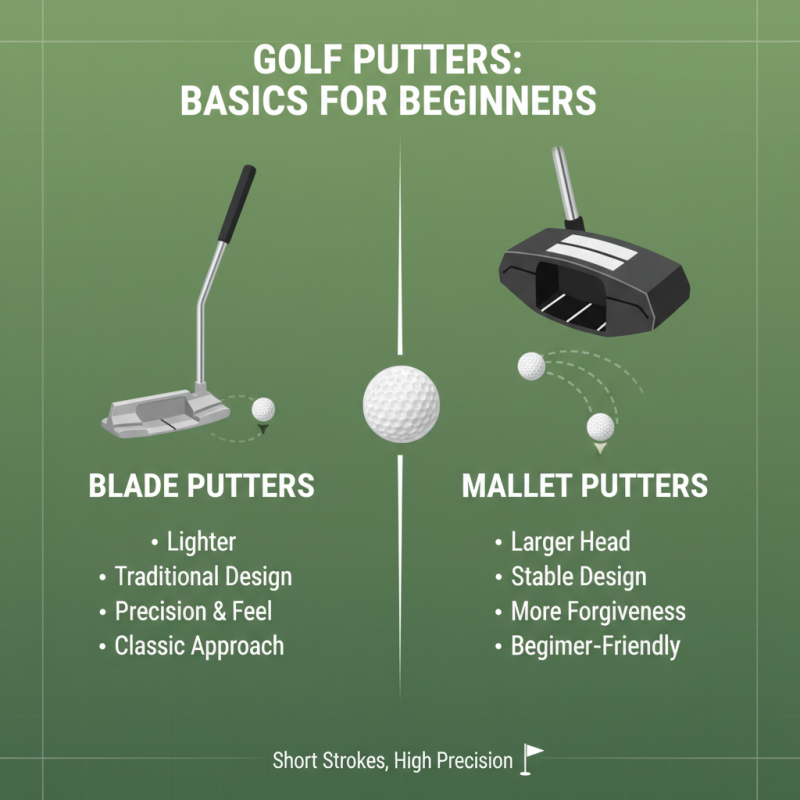
When starting out in golf, understanding the basics of putters is crucial for developing your skills on the green. A putter is designed specifically for the short strokes used on the putting green, where precision and feel are key. There are two primary types of putters: blade and mallet. Blade putters are typically lighter and offer a traditional design, favouring players who appreciate a classic approach. On the other hand, mallet putters tend to have a larger head and a more stable design, which can provide more forgiveness on off-center hits, making them a popular choice among beginners.

Beyond design types, the length and weight of the putter can significantly impact your performance. A beginner should consider the putter's length, which should comfortably fit your height and address position. Holding the putter in a natural stance allows for better control and alignment on the greens. Additionally, the weight of the putter can influence how easy it is to swing smoothly. Lighter putters can help beginners develop a steady stroke, while heavier putters may provide the stability needed for longer putts. Understanding these basic elements will guide you in making an informed decision when selecting your first putter, setting a solid foundation for your golfing journey.

Key Features to Look for in a Putter

When it comes to choosing the right golf putter, beginners should focus on several key features that can significantly influence their performance on the green. One of the most crucial aspects is the putter’s weight. According to a study published by the Golf Industry Association, heavier putters (typically 350-400 grams) can provide more stability and control, which is particularly beneficial for novice players still developing their stroke mechanics. Lighter putters, on the other hand, offer an easier swing but can introduce inconsistency in putting accuracy.

Another important feature to consider is the putter’s shaft length. A proper fit can greatly enhance a player's comfort and confidence during putts. The PGA of America emphasizes that an ideal shaft length should allow the golfer to maintain a comfortable posture while ensuring a natural alignment. Most putters come in standard lengths ranging from 32 to 36 inches; however, custom length options are available for those who need specific adjustments. Furthermore, the grip type cannot be overlooked, as a comfortable grip can improve feel and control. Data from the USGA indicates that 70% of golfers prefer oversized grips to help reduce hand tension and promote better accuracy, making it essential for beginners to find a grip that suits their hand size and putting style.

Selecting the Right Putter Length for Your Stance

When selecting the right putter length for your stance, it's crucial to consider how your posture and grip can influence your overall performance on the greens. According to a study by the National Golf Foundation, around 50% of golfers struggle with consistency in their putting, which is significantly impacted by the length of their putter. A putter that is either too long or too short can alter your stance, leading to improper alignment and ultimately affecting the accuracy of your strokes.

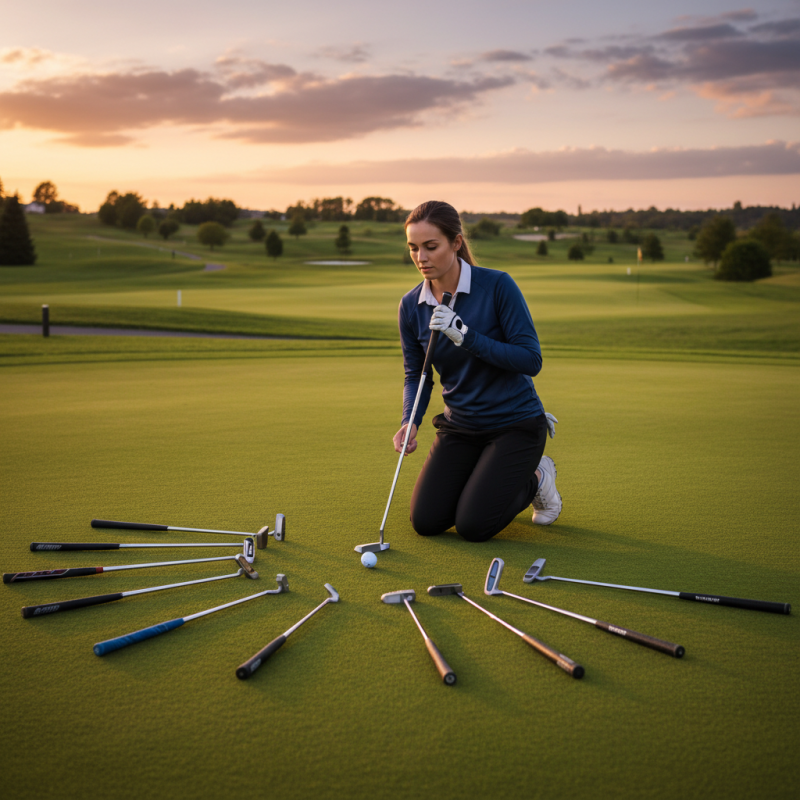
For beginners, a general guideline is to stand with your arms hanging naturally at your sides. From there, the putter’s grip should reach about mid-belly level for optimal control. Research from the Golf Data Lab indicates that using the correct putter length can enhance a beginner's confidence and comfort level, resulting in improved performance. As a reference, most standard putters range from 32 to 36 inches, but personal preference and body type play a significant role in determining the ideal length. It's recommended to try various putter lengths while simulating actual play conditions to find what feels most natural.

Ultimately, understanding the relationship between stance and putter length is key for beginners looking to lower their scores. By investing time in finding the right fit, novices can lay a solid foundation for their putting style, which is often considered the most challenging yet essential part of the game.

10 Essential Tips for Choosing the Right Golf Putters for Beginners

Tip No. Tip Description Putter Length (inches) Best For
1 Select a Putter Length that Matches Your Height 33 Height: 5'0" - 5'3"
2 Consider Your Stance and Posture 34 Height: 5'4" - 5'7"
3 Understand the Importance of Grip Size 35 Height: 5'8" - 6'0"
4 Try Different Head Weights 36 Height: 6'1" - 6'4"
5 Experiment with Blade and Mallet Styles Custom Personal Preference
6 Test for Balance and Feel Custom Varies
7 Evaluate the Alignment Aids Custom Newbies
8 Seek Professional Fitting Variable Serious Players
9 Assess Price and Value N/A Budget Conscious
10 Read Reviews and Get Recommendations N/A General Public

The Importance of Putter Weight and Balance

When selecting a putter, understanding its weight and balance is crucial, especially for beginners. The weight of a putter influences how it feels during a stroke, impacting the player's control and accuracy. Beginners typically benefit from a putter that offers stability without being overly heavy, which can lead to fatigue and inconsistent strokes. A putter that is too light might be harder to control, particularly on longer putts. Therefore, it is recommended that beginners experiment with various weights to discover what feels right for their swing style.

Balance is equally important as it determines how the putter behaves during the stroke. A well-balanced putter will allow for a smoother swing path and better accuracy. There are two main types of balance: face-balanced and toe-weighted. Face-balanced putters tend to stay square to the target during the stroke, making them ideal for players with a straight back-and-through putting style. On the other hand, toe-weighted putters can help those who have a more arcing stroke by encouraging a natural rotation of the clubhead. By understanding these dynamics of weight and balance, beginners can make more informed choices and enhance their putting performance on the green.

10 Essential Tips for Choosing the Right Golf Putters for Beginners

When selecting a putter, it's crucial to consider various factors such as weight, balance, and personal comfort. The following chart illustrates the preferred putter weights among beginner golfers and their importance in achieving better putting performance.

Choosing Putter Styles: Blade vs. Mallet for New Players

When selecting a putter as a beginner golfer, understanding the differences between blade and mallet styles can significantly impact your performance on the greens. Blade putters, known for their sleek and traditional design, offer a great feel and feedback. They typically feature a smaller head, which allows for greater control and precision, making them ideal for players who prefer a more tactile experience. However, they can be less forgiving on off-center hits.

On the other hand, mallet putters boast a larger, more substantial head that provides greater stability. This design often includes alignment aids that can help beginners aim more accurately. The added weight distribution can make it easier to maintain a smooth stroke, giving new players more confidence as they develop their putting skills. Choosing between these styles ultimately comes down to personal preference and comfort.

When testing different putters, remember to consider these tips: first, find a style that feels balanced in your hands. Swing the putter and pay attention to how it flows with your motion. Second, evaluate how each style helps with your alignment; you want a putter that assists you in setting up square to the target. Finally, practice with both types to see which one gives you the best results on the course, helping you to build muscle memory and improve your overall putting game.