

How to Choose the Best Golf Wedges in 2026
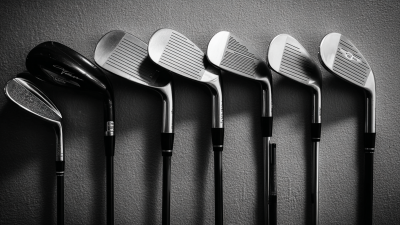
Clubhead design shapes how a wedge moves through turf and sand. A wider sole can help prevent digging in soft ground, while a narrower sole may suit firmer lies and golfers who adjust the face often. Bounce matters, too. It describes how the sole meets the ground, not a shortcut to better shots. Test different sole shapes on real grass if possible.
Materials affect weight, durability, and feedback. Stainless steel is common and generally resists wear; softer forged metals may feel more responsive, but that impression varies by player. Grooves and surface finishes also influence spin, especially when the face or ball is wet. Check the rules before competition, and do not assume a rough-looking face will always create more control.
Feel is personal. A solid strike should give you useful feedback without harsh vibration, but a soft sensation alone does not prove the wedge fits. Try several models with the same ball, from tight lies and rough. Notice launch, carry distance, and how the sole brushes the ground. Small differences matter. I would be wary of judging from a few perfect shots; my own first impressions have been wrong. Choose the head that gives you predictable contact across ordinary conditions, not just the cleanest strike on a mat.