

Choosing formal shoes for children can be harder than expected. A polished pair should suit weddings, school events, family celebrations, and photographs while still allowing natural movement. The best Kids Dress Leather Shoes balance appearance with practical details, such as flexible soles, secure closures, smooth linings, and enough room for growing toes. A glossy finish may catch the light, but comfort matters after an hour of standing or walking. Small details count. Fit comes first.
This guide introduces ten options for boys and girls, with attention to style, construction, and everyday usability. You’ll find classic lace-ups, easy-to-wear loafers, and dressy designs that pair well with trousers, dresses, or uniforms. Leather types and finishes can vary, so check each product’s materials and care instructions rather than relying on photos alone. A soft lining may reduce rubbing, while a firm heel can help keep the shoe stable; neither feature guarantees a perfect fit. No pair is perfect. Children’s feet grow quickly, and sizing can differ between brands, so measure both feet and compare them with the maker’s size chart before buying. Consider where the shoes will be worn, how long your child may keep them on, and whether they can walk comfortably in them. This selection is meant to make comparison easier, not replace a proper fit check. A little reflection helps: the smartest-looking shoe is not always the one a child will happily wear.
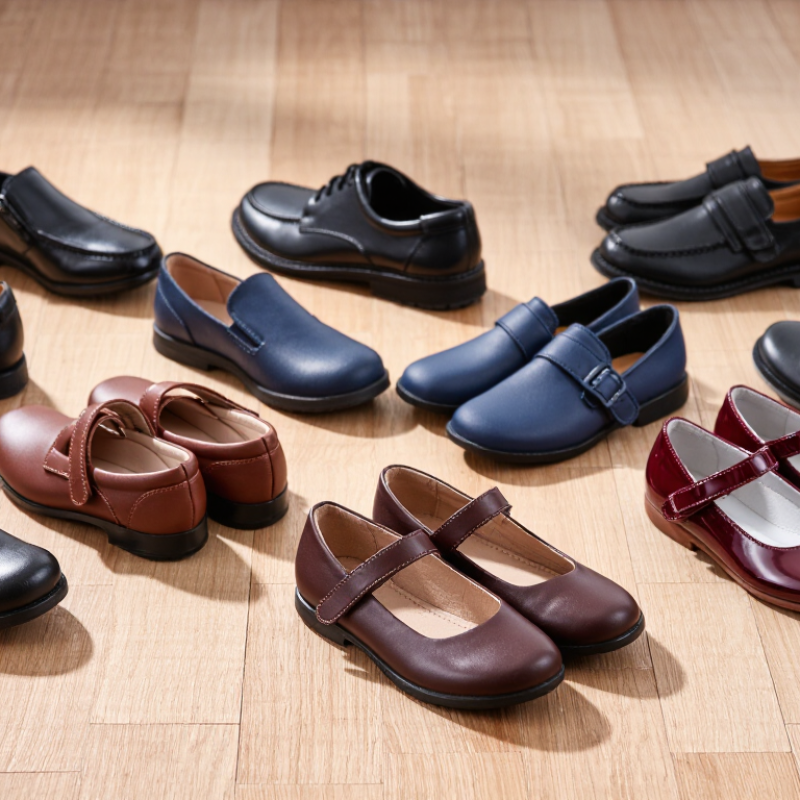
A children’s leather dress shoe is a more polished shoe made with leather on the upper, lining, or both. The term does not guarantee every part is leather. Look closer. Check the product details and feel the material: leather often softens with wear, while coated surfaces may feel smoother and less breathable.
Fit matters as much as appearance. A child should have room to wiggle their toes, with the heel held securely and no pinching across the widest part of the foot. Try shoes on later in the day, when feet may be slightly larger. Walk a few steps on a clean floor. Watch for slipping, rubbing, or a stiff stride. A smart-looking shoe is not a good choice if it makes a child avoid walking.
Construction also shapes how suitable a pair is for dress occasions. A flexible sole, secure fastening, and smooth interior can make school ceremonies or family events more comfortable. Inspect seams and edges for rough spots, especially around the heel. Leather can need gentle care and may show creases over time. That is normal, though not always attractive. Comfort, fit, and honest material details matter more than a glossy finish.
Compare boys’ and girls’ dress shoes by fit, construction, and comfort, not color alone. Leather uppers should feel supple, with even stitching and no sharp seams pressing against the foot. Check the lining, too; rough edges can cause rubbing during a long school event. A flexible sole helps children walk naturally, while a firm heel counter can steady the back of the foot. Too stiff is not automatically better. Check toe space with the child standing, since feet spread under weight.
Styles may differ in decoration, but sizing and support matter equally for every child. Compare the measured foot length with the shoe’s size guide, then leave some growing room without allowing the heel to slip. Size charts help, yet they cannot replace an actual try-on. Have the child walk on a clean floor and notice any pinching, clacking, or rubbing. Laces allow adjustment, while buckles or hook-and-loop straps may be easier for small hands. Looks can mislead.
Tips: Try shoes later in the day, when feet may be slightly larger. Test both feet, since they can differ. If one spot hurts, take that seriously; a neat appearance is not worth blisters.
| Rank | Dress Shoe Style | Suitable For | Leather Upper | Closure and Adjustability | Outsole and Grip | Comfort and Fit Features | Best-Suited Occasions | Care Notes |
|---|---|---|---|---|---|---|---|---|
| 1 | Classic lace-up Oxford | Boys and girls | Smooth polished leather | Laces allow adjustment across the instep | Rubber outsole offers practical traction; leather soles are also available | Check toe room and heel hold; a padded collar can reduce rubbing | School ceremonies, weddings, and formal events | Wipe after wear and use leather polish suited to the finish |
| 2 | Mary Jane | Often chosen for girls; suitable for any child who prefers this style | Smooth or patent leather | Instep strap with buckle or hook-and-loop fastening | Rubber outsole can provide grip on smooth indoor floors | Adjustable strap helps secure the foot; confirm it does not press on the instep | School uniforms, parties, and family celebrations | Use a soft cloth; clean patent finishes with a product intended for patent leather |
| 3 | Leather loafer | Boys and girls | Polished or pebbled leather | Slip-on design; little adjustment once on | Rubber or leather outsole, depending on construction | Best for feet that fit securely without heel slipping; check instep comfort | Smart-casual events and occasions with easy on-and-off needs | Use a shoe tree or tissue to help retain shape between wears |
| 4 | Leather derby shoe | Boys and girls | Full-grain or corrected-grain leather | Open-lacing design offers useful adjustment across the instep | Rubber outsole is a practical option for everyday wear | Often easier to adjust than a closed-lacing Oxford; fit still depends on the shoe’s shape | School events, dinners, and dressy everyday outfits | Brush away dry dirt before applying a compatible conditioner or polish |
| 5 | Patent leather dress shoe | Boys and girls | Glossy patent leather | Commonly offered with laces, a buckle, or a strap | Rubber outsole can improve grip compared with a smooth dress sole | Look for a comfortable lining and enough room for toes; stiff finishes may need careful fitting | Weddings, performances, and formal celebrations | Wipe gently with a soft damp cloth; avoid standard polish unless labeled for patent leather |
| 6 | Leather monk-strap shoe | Boys and girls | Smooth or lightly textured leather | Buckle strap; adjustment range depends on buckle holes | Rubber outsole suits frequent walking; leather soles are dressier but can be slick | Check that the strap secures the foot without pinching the instep | Parties, school performances, and smart occasions | Keep buckles dry and clean; condition the leather when it appears dry |
| 7 | Leather T-strap shoe | Boys and girls | Smooth leather or patent leather | Instep strap and buckle provide a secure, adjustable fit | Rubber outsole is useful for walking and indoor traction | Strap design can help keep the shoe in place; check for rubbing near the ankle and instep | Formal gatherings, celebrations, and dress outfits | Clean according to the leather finish and dry naturally away from direct heat |
| 8 | Leather ballet flat | Boys and girls | Soft leather or patent leather | Slip-on; some styles include an elastic topline or small strap | Flexible rubber outsole is generally more practical for regular walking | Check heel fit and toe space; a very flat sole may offer limited cushioning | Parties, school events, and dressy casual wear | Air out after use and clean with a product suitable for the leather type |
| 9 | Leather dress boot | Boys and girls | Smooth or pebbled leather | Side zipper, laces, or both, depending on the design | Rubber outsole with a patterned tread can help on damp or uneven surfaces | Allow room for socks and ankle movement; check that the shaft does not rub | Cool-weather events, school uniforms, and outdoor gatherings | Remove dirt promptly and let the boots dry at room temperature if damp |
| 10 | Leather dress sneaker | Boys and girls | Smooth leather or leather with textile panels | Laces or hook-and-loop straps; straps are convenient for independent dressing | Rubber outsole typically provides more everyday grip than a smooth dress sole | Padded collar and flexible construction can suit longer wear; verify fit as feet grow | Smart-casual events, school days, and occasions involving more walking | Wipe clean and follow care instructions for any mixed leather and textile materials |
A useful top-ten guide should compare more than polished looks. Classic lace-ups, buckle shoes, Mary Janes, loafers, and simple ankle styles suit different outfits and occasions. For school ceremonies or family celebrations, smooth leather gives a neat finish, while softer linings can feel more comfortable during long events. Fit comes first. Leave a little room at the toes, but avoid shoes that slide at the heel. A flexible sole and secure fastening help children walk naturally. Shiny shoes are tempting, yet comfort often matters more after the first few minutes.
Tips: Check the fit later in the day, when feet may be slightly larger. Let your child walk on a clean floor and watch for heel slipping or pinching. Wipe leather with a soft cloth after wear, and let damp shoes dry away from direct heat. Small detail, big difference.
It is easy to choose a pair based only on color or formal style. That can be a mistake. Dark brown or black may match many outfits, but children’s preferences matter too; a shoe they dislike may stay in the closet. Compare stitching, sole grip, closure, and the care instructions before buying. No single style works for every child, and even a well-made pair may need replacing as growing feet change.
Choosing dress leather shoes starts with the occasion and the child’s daily comfort. A simple lace-up or strap style usually works well for school ceremonies and family events. Smooth leather looks formal, while softer, lightly textured finishes can hide small scuffs. Check the inside seams and lining; rough edges may rub during a long day. Nice-looking shoes are not enough.
Measure both feet while the child is standing, preferably later in the day when feet may be slightly larger. Fit the longer foot, and leave roughly a thumb’s width of space at the toe. The heel should stay secure without slipping, and the widest part of the foot should not feel squeezed. Have the child walk several steps. Watch for pinching or a changed stride. If the shoes feel stiff, do not assume they will quickly soften; some won’t. Children’s feet grow at different rates, so recheck the fit every few months, especially before an event. Socks matter, too: try the shoes with the pair the child plans to wear. A small fitting detail can change the whole feel.
How to use this chart: Match your child’s longer foot to the approximate size, then check the specific shoe’s fit guide. Size conversions vary by maker and style. For dress shoes, have your child try them on while standing and make sure there is about 1 cm of space in front of the longest toe, with no pinching at the sides or heel slipping.
Foot-length values are approximate references, not a guarantee of fit. Measure both feet and recheck sizing as children grow.
Leather dress shoes can look polished for a school concert, family gathering, or formal portrait, but children put them through a lot. Dust them after each wear with a soft, dry cloth, paying attention to the seams and the area around the soles. If dirt remains, use a slightly damp cloth and let the shoes dry at room temperature. Keep them away from radiators and direct sunlight, which can dry or distort the leather. Let them air.
For scuffs, choose a cream or polish made for the shoe’s type and color of leather. Test it on a hidden spot first, then apply a thin layer with a clean cloth. Too much product can leave a sticky surface that attracts dust. A small amount of suitable leather conditioner may help when the material feels dry, but frequent conditioning is unnecessary. Suede needs different care, so avoid treating it like smooth leather.
It is tempting to wipe every mark with water, but soaking leather can leave stains or stiff patches. A common oversight is putting shoes away while they are still damp inside. Remove loose insoles if possible, and let everything dry fully before storage. A little tissue can help hold the shape; tight plastic bags can trap moisture. Check the soles and heels regularly, too. Care will not prevent every scratch, especially during a busy day, but it can keep small problems from becoming harder to fix.