How to Source Slim Fit Pique Polo Shirts in 2026?
Sourcing a Slim Fit Pique Polo in 2026 takes more than comparing prices and choosing a color card. Buyers must assess fit, fabric stability, workmanship, and a supplier’s ability to repeat the same result. A polo may look sharp on a hanger, then pull across the chest after washing. Small details matter.
Apparel sourcing specialist Maya Chen captures the priority this way: “A good polo should keep its shape after the first wash, not just impress on the sample table.” Treat that as a practical checkpoint, not a guarantee. Ask for fabric composition, pique weight, shrinkage results, and a size set before approving bulk production. Check collar recovery, placket stitching, sleeve opening, and side seams under natural light. Then compare the sample with the approved measurements. Numbers can look tidy. The garment may still feel wrong.
This guide explains how to shortlist factories, evaluate samples, and plan a realistic order for 2026. It also covers questions about minimum quantities, lead times, customization, and quality checks. Request recent production examples, not only polished showroom pieces. Confirm how the supplier handles shade variation and measurement tolerances. A clear specification sheet helps, but it cannot replace a physical inspection. Some judgment remains. That is worth admitting. The right Slim Fit Pique Polo balances a clean silhouette with comfortable movement, dependable fabric, and consistent construction. Before committing, test the garment on different body types and wash it according to its care label. One sample is rarely enough.
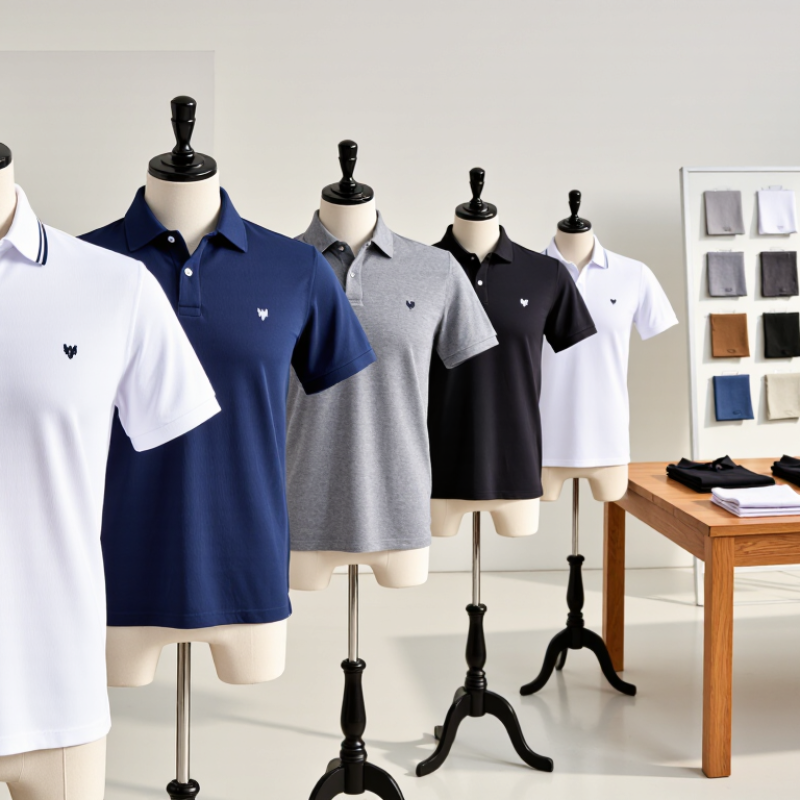
Define Slim Fit Pique Polo Shirt Requirements for 2026
A sourcing brief for a 2026 slim fit pique polo should define the wearer and intended use before naming a size range. Record chest, waist, shoulder, sleeve, and body-length measurements in a garment spec sheet. Fit is personal. State how much ease you expect at the chest and waist, and check that the hem stays comfortable when tucked or worn loose.
Size labels alone are not enough; compare finished measurements with a well-fitting reference garment.
Specify the pique fabric by fiber content, weight, stretch, and surface texture. A fabric around 180–220 gsm can offer structure, but the right weight depends on climate and wear. Ask for a collar that lies flat, placket stitching that stays straight, and sleeves that do not pinch when the wearer bends an arm.
Test the sample after washing, then measure shrinkage and check for twisting, fading, or puckering. One early sample may look sharp on a hanger and still feel tight across the back. That is worth correcting before bulk production.
Keep approved measurements, fabric details, and wash-test results together so later samples can be checked against the same standard.
Identify and Evaluate Suitable Manufacturers
A slim-fit polo depends on more than a narrow body pattern. Ask manufacturers for pique fabric swatches, garment measurements, and details about yarn, fabric weight, and stretch. Compare the samples in daylight. A loose collar, rough inner seams, or uneven placket stitching can show up after washing, not just during a quick fitting.
Evaluate each factory with specific questions. Can its team adjust fit across sizes without narrowing the chest excessively? What shrinkage checks does it perform, and how does it control collar shape? Request a pre-production sample and a clear measurement sheet. If possible, review a live production walkthrough or ask for examples of similar knit garments. A polished catalog is not enough. Details matter.
Compare quotes only after confirming fabric composition, trims, order quantity, lead time, and inspection steps. Ask how the factory handles defects and sample revisions; vague answers deserve follow-up. Keep your own notes, since it is easy to overlook a small difference between two samples. I may still miss something. That is why I would test the shirt after washing and wearing it, then revise the fit before approving bulk production.
Request Samples and Verify Fit, Quality, and Compliance
Request a pre-production sample in the intended fabric, not a substitute swatch. Pique can vary in weight, stretch, and surface texture, which changes how a slim fit sits. Measure chest width, shoulder width, sleeve opening, and body length against your size chart. Check the shirt on several body types, not just a fit model. A close fit should allow reaching forward without pulling hard across the back. Small details matter. Look for collar roll, placket alignment, and side seams that stay straight.
Wear the sample for a full day, then wash it according to the planned care instructions. Record shrinkage, color change, twisting, and whether the collar keeps its shape. We sometimes miss issues by judging a garment fresh from the sample room. That is worth correcting. Ask the supplier for fabric composition details and relevant test reports, then confirm labeling and product requirements for your destination market. Check that the report matches the actual fabric and color being ordered. If results are unclear, request clarification or independent testing before approving bulk production. Keep dated comments and measurements with each sample revision; otherwise, “slightly tighter” can mean different things to different people.
Negotiate Pricing, Place Orders, and Plan Delivery
How to Source Slim Fit Pique Polo Shirts in 2026?
Negotiate the landed cost, not just the unit price. Ask suppliers to quote fabric, sewing, trims, packaging, and freight separately. For a slim fit, confirm chest width, waist shaping, sleeve opening, and shrinkage tolerances before approving the sample. A low quote can hide lighter pique fabric or extra charges for custom colors. Textile Exchange’s Materials Market Report 2024 estimates global fiber production reached 124 million tonnes in 2023, with polyester accounting for 57%. That scale makes fiber choice a useful cost discussion, but it does not guarantee consistent fabric quality. Request fabric composition and test results with each quote.
Place a small pilot order before committing to a full run. Set written approval points for the size set, color, stitching, and packed-garment measurements. State the order quantity, payment milestones, inspection method, and remedy for failed checks in the purchase order. Keep some flexibility. Forecasts are rarely perfect. UNCTAD’s Review of Maritime Transport 2024 reported that Shanghai–Europe spot container rates rose sharply during the first half of 2024, illustrating how quickly freight budgets can shift. Build a delivery buffer, confirm the shipping window, and ask the supplier to flag delays early. A spreadsheet rarely captures every factory constraint; revisit assumptions after the first order.
Tips: Compare like with like: same fabric weight, composition, finish, and packing method. Approve a sealed sample, then retain one for comparison. Add a modest time buffer, but avoid excessive stock until repeat demand is clearer.
How to Source Slim Fit Pique Polo Shirts in 2026
Indicative sourcing and delivery timeline for a standard custom order shipped by ocean (days per stage).
Planning estimate: allow about 96 days from initial price negotiation to warehouse receipt. Sampling, production capacity, order size, shipping route, and customs clearance can change the timeline; confirm dates with your supplier and freight forwarder.