Top 10 Types of Golf Putters Buyers Should Know

Choosing among golf putters can feel surprisingly difficult, especially when every model promises better distance control and accuracy. A putter may look excellent in a store yet feel unstable on your home course. That difference matters. Your stroke, posture, green speed, and preferred alignment method all influence the right choice.

This guide introduces ten common types of golf putters buyers should know before spending money. It examines blade, mallet, face-balanced, toe-hang, center-shafted, heel-shafted, counterbalanced, insert-face, high-MOI, and armlock designs. Each type offers practical strengths, but none suits every golfer. A blade can provide useful feedback, while a high-MOI mallet may resist twisting after an off-center strike. Small details matter.

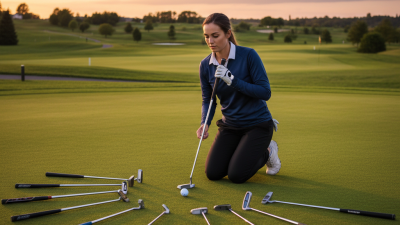
Real testing remains more valuable than attractive advertising. Try several golf putters with balls you normally play, preferably on a putting surface resembling your course. Notice the sound, face control, alignment visibility, and distance response. Ask a qualified club fitter to observe your stroke, but keep your own comfort involved. Numbers help. Feel still matters.

There is no perfect putter.

This overview also avoids treating design categories as strict rules. Golf equipment overlaps, and manufacturers often combine several features in one head. My first preference may not match yours, and that is worth remembering. Use the following comparisons as a practical starting point, then confirm your decision through repeated practice, honest feedback, and realistic expectations.

Top 10 Types of Golf Putters Buyers Should Know

What a Golf Putter Is and Why Its Design Matters

Top 10 Types of Golf Putters Buyers Should Know

What a Golf Putter Is and Why Its Design Matters

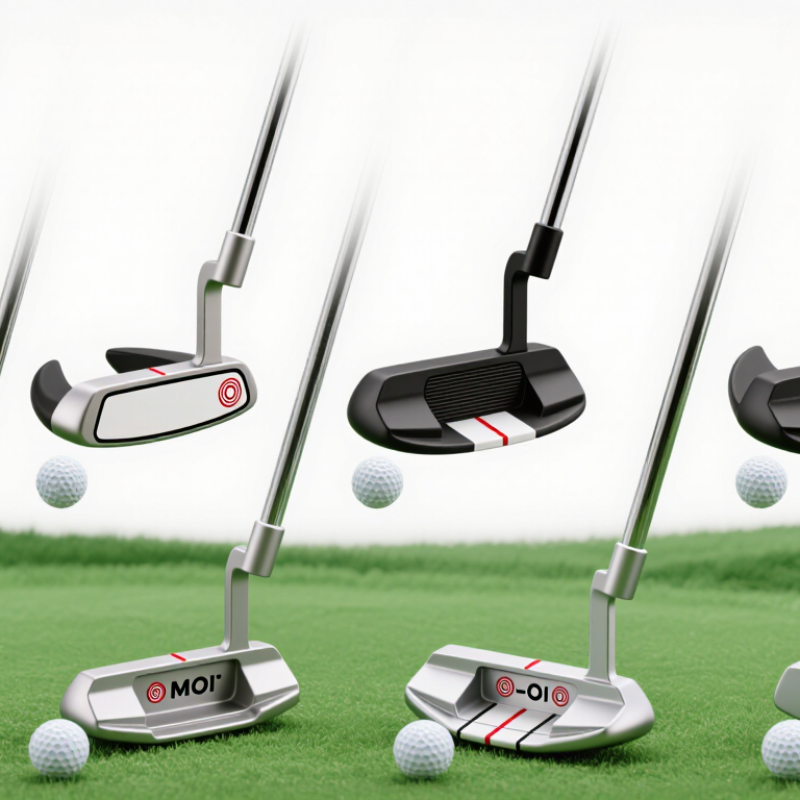
A golf putter is the club used for controlled strokes on or near the green. Its design affects alignment, impact stability, launch, and distance control. The National Golf Foundation’s 2024 Golf Industry Overview reported 28.1 million U.S. on-course golfers in 2023. That scale makes informed putter selection important, not cosmetic. A blade offers a narrow profile and strong face awareness. A mallet provides more perimeter weight and visual alignment help. Mid-mallets sit between both shapes.

Other common types include face-balanced, toe-hang, center-shafted, heel-shafted, counterbalanced, armlock, and broomstick putters. These categories describe balance, shaft position, or setup style. They are not automatic performance promises. Fit matters.

PGA TOUR ShotLink data tracks putting results by distance, reinforcing a practical point: speed control and alignment solve different problems. A stable mallet may reduce twisting on off-center strikes. A toe-hang model may suit a stroke with noticeable face rotation. A counterbalanced design can quiet excessive hand movement, though it may feel heavy. Test both.

The R&A Global Golf Participation Report 2023 recorded 66.6 million adult golfers across 206 countries. Many buyers still choose by appearance alone. That is understandable, but incomplete. On a practice green, compare three distances and observe start direction. Short putts expose alignment errors. Long putts expose poor speed control. The perfect shape may not exist. Even a well-fitted putter cannot rescue a rushed stroke.

How Putter Heads, Shafts, and Balance Styles Differ

Top 10 Types of Golf Putters Buyers Should Know

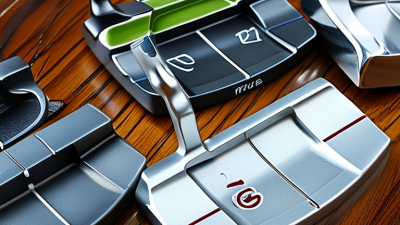
Putter heads shape alignment, forgiveness, and feel at impact. Blade heads suit golfers who prefer a traditional profile and clear feedback. Mallet heads offer a larger alignment area and usually resist twisting on off-center strikes. Mid-mallet designs sit between both choices. Peripheral-weighted heads add stability without looking overly large. Face texture also matters, because it influences launch and distance control on different greens.

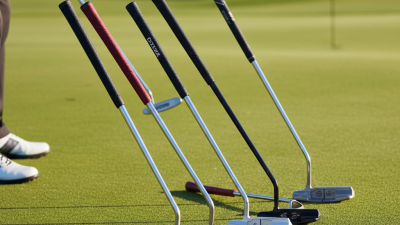
Shaft length changes posture, eye position, and stroke rhythm. Standard-length shafts often support a conventional setup, while longer options may help golfers who struggle with bending. Some players use center-shafted designs for a more direct visual line. Others prefer heel-shafted models because they support a natural arc. Balance style is equally important. Face-balanced putters often match straighter strokes. Toe-hang putters can better suit moderate or strong arcs. However, these categories are not rules. A fitting session can reveal surprising results.

Tips: Place two tees just wider than the putter head. Make ten short strokes and observe contact quality. Test several head shapes, shaft lengths, and balance styles before buying. Watch the ball’s first few feet, not only the final result. A common mistake is choosing a putter by appearance alone. I have made that mistake myself. Comfort matters, but comfort can hide poor distance control. Recheck your choice on fast and slow practice greens. Your best option may feel slightly unfamiliar at first.

Top 10 Types of Golf Putters Buyers Should Know - How Putter Heads, Shafts, and Balance Styles Differ

No. Putter Type Typical Head Shape Common Shaft Position Typical Balance Best Suited Stroke Main Characteristics Potential Advantages Buyer Considerations
1 Traditional Blade Narrow, elongated head with a compact profile Heel-shafted or near the heel Usually moderate to strong toe hang Arcing stroke with noticeable face rotation Classic shape, low visual bulk, and a relatively small sweet spot Light appearance and precise alignment for golfers who prefer traditional shapes Generally offers less forgiveness on off-center strikes than larger heads
2 Heel-Toe Weighted Blade Blade with additional mass positioned toward the heel and toe Usually heel-shafted Moderate toe hang is common Slight arc to strong arc A blade profile with perimeter weighting to increase resistance to twisting More stable than a basic blade while retaining a compact look Still requires reasonably consistent contact and may not suit a straight-back stroke
3 Center-Shafted Blade Compact blade with the shaft entering near the head center Center or slightly off-center Often close to face-balanced, depending on the design Straight-back-and-through or slight arc Shaft placement can make the face look symmetrical at address Can support a centered setup and a stable, square presentation The unusual visual setup may require an adjustment period; balance varies by model
4 Mid-Mallet Medium-sized rounded or winged head between a blade and mallet Heel, center, or slightly forward depending on the model Face-balanced to moderate toe hang Straight to moderate arc A compromise between blade feedback and mallet stability Provides useful alignment space without the full size of a large mallet Head shape and balance differ widely, so fitting is more important than the category name alone
5 High-MOI Mallet Large, deep body with mass distributed around the perimeter Usually center or near the heel Commonly face-balanced, but toe-hang versions exist Straight-back-and-through to slight arc High moment of inertia helps reduce twisting when impact is away from the center Strong stability, large alignment areas, and generally high forgiveness The larger footprint can obscure the ball or feel less natural to golfers who prefer compact heads
6 Face-Balanced Putter Blade, mid-mallet, or mallet head designed so the face points upward when balanced Often center-shafted or positioned close to the head center Face-balanced Minimal-arc or straight-back-and-through stroke Designed to resist the face opening and closing during the stroke Can make it easier to return the face square for golfers with limited rotation May feel restrictive or less natural for golfers with a pronounced arcing stroke
7 Toe-Hang Putter Most often a blade or compact mid-mallet Heel-shafted or placed toward the heel Toe points downward when the shaft is balanced horizontally Slight arc to pronounced arc The balance allows more natural face rotation through impact Often matches golfers who release the putter with a visible arc Too much toe hang can make face control difficult for a very straight stroke
8 Face-Forward Putter Extended or offset head with the shaft axis positioned farther forward Forward of the face or connected through a forward hosel Varies; many designs are strongly face-balanced or low in toe hang Usually straight to slight arc The forward shaft position can reduce excessive forward press and alter the visual setup May help golfers who struggle with consistent face presentation or excessive hand action Requires careful testing because the offset and unusual geometry can change aim perception
9 Counterbalanced Putter Blade, mid-mallet, or mallet with extra weight in the grip or upper shaft Usually conventional, but the grip and shaft area are heavier than standard Head balance varies; overall club balance shifts closer to the hands Straight or arcing, depending on the head design Additional upper-club mass can make the stroke feel more stable and controlled May reduce unwanted wrist movement and improve tempo for some golfers Heavier overall feel can reduce touch on fast greens or require a longer adjustment period
10 Long or Belly-Style Putter Extended-length putter with a larger grip-to-head distance; belly versions may rest lightly against the body but are not anchored under current rules Longer shaft, commonly center or near the heel Varies from face-balanced to toe hang Stroke depends on the head balance and the golfer’s setup The longer design changes posture, hand position, and the club’s swing feel Can provide a more upright setup and may help golfers seeking additional stability Anchoring the club against the body during the stroke is prohibited; length and setup must comply with the Rules of Golf

Note: Balance descriptions are general design tendencies. The exact toe hang, face balance, shaft position, head weight, and overall feel can vary by individual putter model.

The Ten Main Types of Golf Putters Buyers Should Know

The Ten Main Types of Golf Putters Buyers Should Know

Golf putters differ in shape, shaft position, balance, and intended stroke. The ten main types include blade, mallet, half-mallet, center-shafted, heel-shafted, face-balanced, toe-hang, counterbalanced, armlock, and long putters.

Blade putters have a narrow head and offer strong feedback on contact. Mallet putters use larger heads, often providing more stability during mishits. Half-mallet designs sit between both shapes. They can suit players who want forgiveness without a bulky appearance. Center-shafted putters place the shaft near the head’s middle. Heel-shafted models connect closer to the heel and may feel more natural for an arcing stroke. Face-balanced putters resist twisting when the face stays square. Toe-hang putters allow more face rotation through impact. Neither balance style automatically improves accuracy.

Counterbalanced putters move extra weight toward the grip, which can calm restless hands. Armlock putters press against the lead forearm and require a legal, comfortable setup. Long putters use extended shafts and may support an upright posture. Buyers should test each type on a real practice green, not only indoors. Notice start direction, distance control, and face stability. A simple gate drill can reveal whether the face returns consistently. I once preferred a compact blade, yet repeated short misses exposed its poor fit. That experience changed my view. Feel is useful, but measured results deserve more trust. Try several lengths and grips before deciding. Clearance, posture, and confidence still matter.

How Face Technology and Alignment Aids Affect Putting

When buyers compare the top ten types of golf putters, face technology deserves careful attention. A milled face can feel crisp and produce a steady roll on centered contact. Grooved or insert-style faces may soften impact and reduce distance loss on slight mishits. Help is the honest word. No face can repair a poor stroke. During a fitting, I watch launch, skid, and distance control instead of judging sound alone. A soft-feeling putt may still finish several feet short.

Alignment aids can change how confidently a player aims. Long sightlines suit golfers who prefer a clear target path. Contrasting blocks or face markings may help players square the putter quickly. Larger mallet heads often provide more visual structure than compact blades. Yet a busy design can create hesitation. Test it from several angles. The face angle remains critical, even when the alignment line looks perfect. A putter can appear aimed correctly while pointing slightly left.

Face-balanced models often suit strokes with limited rotation, while toe-hang designs may fit players with noticeable arc. This is useful guidance, not a fixed rule. I once trusted a strong alignment line and ignored inconsistent contact. The result looked convincing but rolled poorly. A practical test uses six- to ten-foot putts, repeated from different positions. Record start direction and finish distance. Personal preference matters, but measurable results deserve more trust than attractive technology.

How to Choose a Putter Based on Stroke, Feel, and Performance

Choosing among the top 10 types of golf putters starts with your stroke, not appearance. Watch the putter path during a few natural practice strokes. A straight-back, straight-through stroke often suits a face-balanced mallet. A slight arc may feel better with a toe-hang blade or mid-mallet. These are useful guidelines, not strict rules.

Feel matters when the ball leaves the face. A firmer face can provide sharp feedback on short putts, while a softer construction may feel calmer on longer attempts. Test several putters from different distances. Listen to the strike, but trust the ball’s speed more. I once preferred a soft feel that made every putt seem comfortable, yet my distance control was inconsistent. Comfort can hide a weakness.

Tips: Use three balls and putt from six, twelve, and twenty feet. Notice whether the ball finishes near the target or repeatedly passes it. Check alignment with a straight target line, then repeat the test without assistance. Consider head shape, shaft length, grip size, and toe hang together. A large mallet may improve stability, while a compact blade can sharpen feedback and face awareness. Do not choose by one perfect putt. Test under pressure, because performance often changes when the hole suddenly matters.