

A Stretch Pique Polo combines the familiar texture of pique cotton with added flexibility for easier movement. Its surface usually has a small, raised pattern that feels breathable against the skin. A little elastane or another stretch fiber helps the shirt move with the shoulders, chest, and arms. This balance makes it useful for office-casual dressing, travel, weekend wear, and light outdoor activity.
The fabric should feel structured, not stiff. When you reach for a bag or sit behind a desk, the polo should follow your movement without pulling sharply across the buttons. A well-made collar can also keep its shape after repeated washing. However, stretch does not automatically mean superior quality. Fiber content, fabric weight, stitching, and finishing still matter. Some polos feel soft in the fitting room but lose shape too quickly. That possibility deserves attention.
In this guide, we will examine what a Stretch Pique Polo is, how its fabric differs from standard pique, and why the blend affects comfort. We will also consider fit, breathability, durability, care requirements, and styling choices. These details are easy to overlook. A reliable evaluation should include real wear, not only a product label or attractive photograph. Manufacturers use different fiber ratios, so performance can vary between garments. Check the care label carefully, and judge the polo after movement, washing, and extended use.
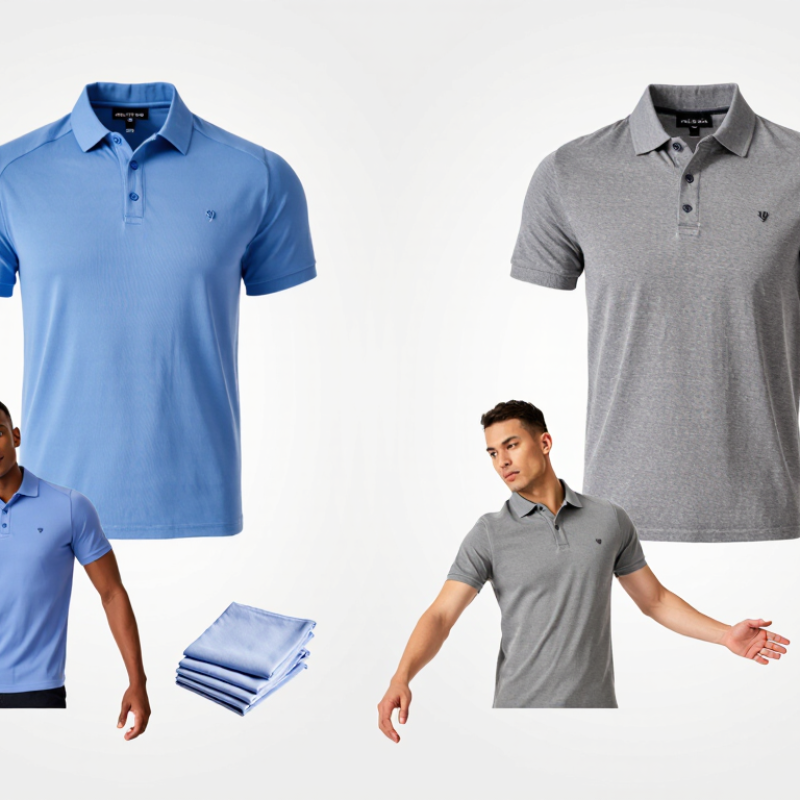
A stretch pique polo is a knitted shirt made from textured pique fabric with added elastic fibers. Its surface has small honeycomb-like channels, improving airflow and giving the shirt a structured appearance. Stretch usually comes from elastane blended with cotton, polyester, or both. This blend supports easier movement across the shoulders and chest. It also helps the polo recover after sitting, reaching, or repeated washing.
Key features include breathability, shape retention, moderate softness, and a firm collar. Cotton can improve comfort, while polyester often strengthens drying performance.
Textile Exchange’s Materials Market Report 2024 states that polyester made up about 57% of global fiber production in 2023. That figure explains its common use in performance-oriented apparel. Grand View Research estimated the global activewear market at about 412.3 billion dollars in 2023.
Everyday polos increasingly borrow those performance details. Still, stretch does not guarantee lasting quality. Poor fabric recovery can leave the hem wavy.
Tips:
Check the fabric label for elastane content. A small percentage can improve mobility without making the shirt feel tight. Pinch the fabric near the side seam, then release it. It should return smoothly. Examine the pique texture under direct light. Loose loops may catch more easily. For hot climates, choose a lighter construction and test the collar after washing. A polo can feel cool in a fitting room, yet become heavy outdoors. That difference deserves attention.
What Is a Stretch Pique Polo?
Stretch pique fabric begins with a knitted structure, not a plain woven surface. On a circular knitting machine, selected needles form tuck stitches that create the familiar raised texture. Small cells catch light and help air move between the fabric and skin. The texture also gives the polo a firmer hand than a smooth jersey shirt.
How Stretch Pique Fabric Is Made
Manufacturers commonly combine cotton or polyester with a small amount of elastane. Some constructions use elastane-covered yarn instead. The elastic yarn is fed into the knitting system with careful tension control. Too much tension can make the fabric feel tight and distort the surface. Too little may reduce recovery after wear.
After knitting, the fabric is scoured, dyed, and finished. Heat-setting can stabilize its width and improve shape retention. Factories then test stretch, recovery, weight, shrinkage, and colorfastness. A useful sample should return close to its original size after repeated extension. In practice, results are not perfectly predictable. Washing temperature, detergent, and drying can change the final hand.
A practical inspection checks the collar, sleeve opening, and side seams first. These areas reveal uneven recovery quickly. Stretch pique usually feels structured but flexible, which suits active daily wear. Yet “stretch” does not always mean soft. Fiber choice, stitch density, and finishing determine that experience.
Stretch piqué is a weft-knitted fabric that combines the textured piqué structure with elastic yarn. The elastane is typically knitted into the fabric during construction, while cotton and polyester provide softness, strength, moisture management, and shape retention.
The chart shows representative, non-brand construction profiles commonly used for stretch piqué fabrics. Elastane is generally kept at a low percentage because even a small amount can add noticeable comfort stretch and recovery. Cotton-rich versions emphasize softness, while cotton-polyester blends generally improve durability, drying speed, and dimensional stability.
What Is a Stretch Pique Polo?
Common Materials Used in Stretch Pique Polos
A stretch pique polo combines a textured knit with flexible fibers. The pique surface feels breathable and slightly structured. It also gives the shirt a neat appearance without feeling like formalwear. In my experience, the best fabric depends on daily use, washing habits, and climate.
Cotton with elastane is a common choice. Cotton feels soft against the skin and absorbs moisture reasonably well. Elastane adds stretch, helping the polo move across the shoulders and chest. A typical blend may contain a small percentage of elastane. Too much can make the fabric feel overly tight or lose its shape. Cotton can also wrinkle and dry slowly. That trade-off is easy to overlook.
Polyester with elastane offers better shape retention and faster drying. It suits travel, outdoor work, and frequent washing. However, polyester may hold body odor when worn for long periods. Nylon blends feel smooth, strong, and lightweight. They often provide excellent recovery after stretching. Some polos combine cotton, polyester, and elastane for balanced performance. No blend is perfect. That matters.
When checking a polo, rub the fabric gently between your fingers. Look for even texture, controlled stretch, and firm collar edges. A fabric that stretches easily should return without rippling. Care labels remain important, because high heat can damage elastic fibers. Small construction details often reveal more than the fiber list alone.
What Is a Stretch Pique Polo?
A stretch pique polo combines a textured knit structure with elastic fibers. The result is a shirt that looks structured but moves more easily than traditional pique. Fit depends on more than chest width. Shoulder seams should sit near the shoulder edge, while the sleeve opening should allow movement without flaring. A slightly shaped waist can reduce excess fabric, but aggressive tapering often restricts sitting, reaching, or driving.
Comfort comes from fiber choice, fabric weight, and moisture movement. Cotton can provide a familiar, soft hand feel, while elastane improves recovery after stretching. Textile Exchange’s 2024 Materials Market Report states that global fiber production reached about 124 million tonnes in 2023. Polyester represented roughly 57% of output, while cotton accounted for about 19%. These figures show why blended fabrics remain common in performance apparel. Yet fiber percentage alone cannot predict comfort. Knit density and finishing matter too.
Performance should be checked through measurable wear behavior. Dimensional stability, pilling, colorfastness, and stretch recovery can be evaluated using recognized textile methods, including AATCC and ASTM procedures. A good stretch pique polo should recover after repeated arm movement and remain breathable under moderate activity. It should not feel like sportswear pretending to be office clothing. That balance is difficult. Sometimes a softer fabric loses shape faster than expected. Care labels also deserve attention, because heat can damage elastane recovery. A careful buyer should test the collar, hem, and underarm area after washing, not only judge the first fitting.
What Is a Stretch Pique Polo?
A stretch pique polo combines textured pique fabric with elastic fibers. The surface feels breathable, while the added stretch supports easier movement. Most versions use cotton, polyester, or a blended construction. The fabric should recover after bending, reaching, and sitting. That matters.
This polo suits smart-casual offices, weekend travel, outdoor lunches, and light golf sessions. Its collar adds structure without feeling as formal as a woven shirt. I often find it useful for changing temperatures during travel. A darker color can hide minor creases and food marks, although it may show lint more clearly. The fit also affects comfort. A tight chest can strain the knit and shorten its useful life.
Care begins with the garment label, because fiber blends vary. Wash the polo inside out in cool or lukewarm water. Use a mild detergent and avoid chlorine bleach. Cold water helps. High heat can damage elastane and encourage shrinkage. After washing, reshape the collar and shoulder seams gently. Air-drying on a flat surface usually protects the fabric better than a hot dryer. If machine drying is necessary, choose low heat and remove the polo while slightly damp.
Do not wring the garment. Pressing can distort the pique texture. Use a low iron setting, and place a thin cloth between the iron and fabric. I once treated a stretch polo like ordinary cotton, and the collar lost its firmness. That mistake made the care label seem less optional. Check for loose threads, stretched openings, and fading after repeated washes. These signs may indicate that the washing routine needs adjustment.
| Data Dimension | Typical Information | Practical Meaning |
|---|---|---|
| Definition | A stretch pique polo is a collared shirt made from pique fabric with a small amount of elastic fiber or a naturally flexible fiber blend. | It combines the textured appearance of pique knit with greater freedom of movement than a rigid polo fabric. |
| Fabric Structure | Pique is a knitted fabric with a raised, textured surface, commonly created by a waffle-like or honeycomb knit structure. | The texture can improve airflow and gives the polo a more substantial appearance than a smooth jersey knit. |
| Common Fiber Content | Typical compositions include cotton with elastane, polyester with elastane, or a cotton-polyester blend with elastane. The exact ratio varies by garment. | The fiber blend affects softness, drying speed, stretch, breathability, durability, and care requirements. |
| Stretch Performance | The fabric generally provides two-way or four-way comfort stretch, depending on its knit construction and fiber blend. | Stretch can make reaching, bending, driving, and active movement more comfortable. Actual stretch should be checked on the garment. |
| Typical Weight | Many pique polos fall within a medium-weight range, often approximately 180–240 g/m², although lightweight and heavyweight versions also exist. | Fabric weight influences coverage, warmth, drape, and suitability for warm or cool conditions. |
| Breathability | The open texture of many pique knits can allow more air circulation than tightly woven shirt fabrics. | It is commonly comfortable for warm-weather wear, but breathability depends on fiber content, fabric density, and garment construction. |
| Typical Uses | Casual wear, business-casual outfits, golf and recreational activities, hospitality uniforms, school or team apparel, and light outdoor work. | Its collar and textured surface provide a neat appearance while the stretch supports everyday mobility. |
| Best Fit Considerations | A comfortable fit should allow movement across the shoulders and chest without excessive pulling at the buttons or side seams. | A moderately close fit usually shows the fabric’s shape while preserving comfort and reducing unnecessary strain on stretch fibers. |
| Washing Requirement | Follow the garment care label. A common recommendation is machine washing in cold or lukewarm water with similar colors. | Lower washing temperatures can help reduce shrinkage, color loss, and unnecessary stress on elastic fibers. |
| Drying Requirement | Air drying or tumble drying on a low setting is generally gentler than high-heat drying. | High heat may contribute to shrinkage and can reduce the recovery of elastane over time. |
| Ironing and Steaming | Use a low-to-medium temperature suitable for the fiber content. Steaming is often useful for light wrinkles. | Excessive heat can damage synthetic fibers, weaken elastic components, or create shine on some surfaces. |
| Shape Retention | Lay the polo flat or hang it on a suitably shaped hanger after washing, and avoid leaving it compressed while damp. | Proper drying and storage help preserve the collar, placket, shoulder shape, and fabric recovery. |
| Stain Care | Treat stains promptly with a fabric-compatible detergent and avoid rubbing aggressively against the textured knit. | Gentle treatment helps prevent pilling, surface distortion, and permanent setting of stains. |
| Main Advantages | Textured appearance, comfortable stretch, versatile styling, and suitability for both casual and polished settings. | It is a practical option when a shirt needs to look structured without feeling restrictive. |
| Main Limitations | Cotton-rich versions may shrink or wrinkle more, while synthetic-rich versions may retain odors or show heat damage if improperly cared for. | Checking the fiber composition and care label is essential because performance differs between fabric blends. |