2026 Best Second Hand Golf Clubs to Buy?
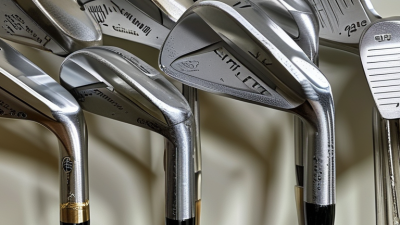
Buying second hand golf clubs in 2026 can reduce costs without sacrificing performance. However, a low price does not automatically mean good value. A seven-year-old driver with worn grooves may perform worse than a carefully maintained older model.
This guide examines the best second hand golf clubs for different players, budgets, and playing goals. It considers club condition, brand reputation, shaft flex, loft, lie angle, grip wear, and adjustability. These details matter on the course. A cracked driver crown, flattened iron grooves, or a hardened grip can quickly turn a bargain into an expensive mistake. I also recommend checking serial numbers, matching specifications, and return policies whenever possible.
Fit matters more than fashion.
A premium name may not suit your swing speed or launch pattern. A modestly priced iron set could produce straighter shots if its length and lie match your posture. My experience suggests that honest inspection beats attractive photographs, though even a careful checklist has limits. Sellers may overlook small dents, and buyers may underestimate future regripping costs. That uncertainty deserves attention.
The following recommendations aim to balance performance, durability, and realistic ownership costs. They are based on practical buying considerations, manufacturer specifications, and common fitting principles. Still, golf equipment changes quickly, and individual results will vary. Test clubs when possible, compare measurements, and avoid purchasing purely because a model appears popular. The best choice is the club that performs reliably in your hands, not merely the one with the strongest resale reputation.
2026 Used-Club Market Signals: Golf Datatech Sales and Demand Data
2026 Best Second Hand Golf Clubs to Buy?
Golf Datatech’s sales and demand tracking offers a useful view of the 2026 used-club market. Its industry data helps separate genuine buying interest from short-lived online excitement. Demand appears strongest where price, availability, and performance meet. That matters because many golfers want modern technology without paying full retail prices.
Used equipment buyers are also becoming more careful. Search activity may rise, but sales depend on condition and fit. A club with worn grooves, a damaged shaft, or an unsuitable loft can become an expensive mistake. I usually inspect the face closely, check the grip texture, and compare the club’s specifications with my current swing. Small details matter.
The data is useful, not perfect.
Sales figures can show market direction, but they cannot explain every individual purchase. Weather, local inventory, fitting advice, and seasonal promotions can change demand quickly. I would not treat one strong sales period as proof that every older model is a smart buy. A better approach is comparing reported demand with actual condition, realistic pricing, and personal needs. Some overlooked clubs may offer excellent value, while popular listings may carry inflated prices. That is where careful judgment still matters.
Build a Legal Used Set Around the USGA 14-Club Limit
Build a legal used set around the USGA 14-club limit, not around a seller’s complete bag. Rule 4.1b permits a maximum of 14 clubs during a round. Carrying fewer is legal and often more practical. The R&A’s Golf Around the World 2024 report counted 66.6 million golfers across 206 countries in 2023, showing the scale of today’s equipment market. More choices also mean more mismatched sets.
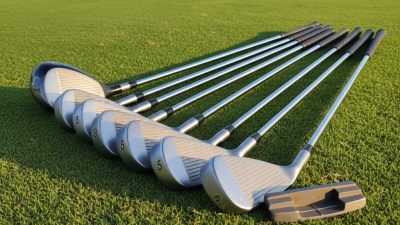
Start with distance gaps. A practical used setup might include a driver, fairway wood, hybrid, irons, two wedges, and a putter. That is enough. Leave one or two spaces open until testing reveals a real need. Check the loft printed on each club, because older irons can create unexpected gaps. A launch monitor can expose a 25-yard distance hole between clubs.
Condition matters more than age alone. Inspect clubface grooves under bright light, then check shafts for dents, bends, or unusual vibration. Worn grips can make a sound club feel unusable. I have bought visually clean clubs with inconsistent lies; that mistake made contact worse. A qualified fitter can verify lie angles and lofts, while published USGA club-conformance resources help confirm competition eligibility. The National Golf Foundation’s 2024 Golf Industry Overview reported 26.6 million U.S. on-course golfers in 2023, so fitting advice is increasingly accessible. Still, measurements can be imperfect. Test the actual clubs before committing.
Match Used Irons to Handicap Using TrackMan Distance Gapping
Choosing the best second-hand golf clubs in 2026 starts with distance, not appearance. A clean used iron can still be wrong for your swing. Your handicap offers a starting point, but launch data gives better evidence.
Test each iron on a radar launch monitor and record carry distance, launch height, peak height, spin, and dispersion. Hit five solid shots, then repeat after a short break. Do not trust one perfect strike. I once selected an iron from a single flushed shot, and the gap became useless on the course.
Match your set to consistent carry gaps, usually around 10 to 15 yards. A higher-handicap golfer may need more forgiveness in longer irons, especially when strikes spread across the face. A lower-handicap player might prefer tighter distance control, provided the launch remains playable. Check the actual lofts, too. Used irons may have bent lofts or altered lie angles after years of play. Inspect grooves, shafts, grips, and signs of bag wear before comparing prices. Launch numbers can expose uncomfortable truths. Your favorite-looking iron may fly too low, spin unpredictably, or overlap another club. That is useful information, even when it changes your plan.
Verify Condition and Price with PGA Value Guides and Shaft Specs
Choosing the best second-hand golf clubs in 2026 starts with verification, not appearance.
A clean crown can hide worn grooves, shaft damage, or altered specifications. I inspect the clubface under bright light, checking groove edges, impact marks, and small dents near the sole. The grip should feel firm, not shiny or hardened. Small details matter.
Use PGA Value Guides to estimate a fair market range before negotiating. Compare the guide’s condition category with the actual club in your hand. A heavily worn club should not receive a near-new valuation. Prices also change with shaft type, set composition, age, and local demand. I once paid too much for a visually excellent iron set because I ignored its mismatched shafts. That mistake was avoidable.
Shaft specifications deserve equal attention.
Check flex, weight, length, torque, and kick point against your current swing. A lighter shaft may increase speed, but it can also reduce control. Confirm the lie angle, especially if the clubs show unusual sole wear. Ask for clear photos of shaft labels and serial markings. Ask for measurements.
A seller’s description is useful, but evidence is better. Request close images of the face, sole, hosel, grips, and shaft tips. If the numbers do not match, pause before buying. Certified fitting advice can reveal whether a low price actually suits your swing. My own testing is still imperfect; a few practice swings cannot replace consistent launch data.