

10 Best Golf Bags for Every Golfer in 2026
A golf bag is not just a place to park clubs. It rides on your shoulder, sits in a cart trunk, and gets opened in wind, drizzle, and a rushed search for one more tee. Ben Hogan, one of golf’s most respected authorities, is often credited with saying, “The most important shot in golf is the next one.” A bag cannot improve that shot, but it can make getting ready for it less distracting.
This guide to the best golf bags in 2026 considers how different golfers actually move around the course. Walking players may value a light carry bag, padded straps, and stable legs that open on uneven ground. Cart users often need accessible pockets, secure attachment points, and room for a rain layer. Touring golfers may want more storage, though extra space can become extra weight. Small details matter: a rangefinder pocket you can reach easily, a towel loop that stays clear, and zippers that do not snag when your hands are cold.
There is no perfect choice. Annoying, but true. A bag that feels balanced in a shop can pull at your shoulder after nine holes, and a large pocket is not useful if it is hard to reach. The picks ahead compare carry comfort, organization, durability, and value, while noting where each model may fall short. Use them as a shortlist, then consider your usual course, equipment, and budget before buying.

Understanding Golf Bag Types and Their Intended Uses
Golf bags differ in how they carry clubs, supplies, and weight across a round. A cart bag suits golfers who ride or use a push cart. Its wider shape often provides generous pockets for balls, rain gear, and snacks, but it can feel bulky when lifted. A stand bag has retractable legs and backpack-style straps, making it useful for walking. Check that the legs open firmly on uneven ground. Small detail. A carry bag is lighter still, though it usually offers less storage and may lack a stand.
Staff-style bags are large and heavy, with room for extensive equipment and easy-to-reach pockets. They are generally better suited to a cart than a long walk. Travel bags serve a different purpose: padded covers protect clubs during transport, but they are not designed for regular play. Choose by considering your usual course routine, not just pocket count. If you walk nine holes, every extra item can press into your shoulders; if you ride, accessible storage may matter more. Bag labels can be imperfect, too. Strap comfort, club-divider layout, and how the base sits on your cart vary between models, so inspect those details before deciding. A bag that looks ideal in a shop may feel different after several holes.
10 Best Golf Bags for Every Golfer in 2026 — Understanding Golf Bag Types and Their Intended Uses
| Bag Type | Best For | How It Is Used | Typical Features | Main Trade-Off |
|---|---|---|---|---|
| Stand Bag | Golfers who walk some or all of the course | Two retractable legs hold the bag upright when it is set down, making clubs easier to reach between shots. | Backpack-style straps, a dual-leg stand, and pockets for balls, tees, clothing, and accessories. | Usually has less storage and a less stable base on a cart than a dedicated cart bag. |
| Lightweight Stand Bag | Walkers who want to carry less weight | Designed for carrying during a walking round, with a pared-down structure and fewer or smaller pockets. | Lightweight construction, carry straps, and a built-in stand. | Reduced storage and fewer organizational features than larger bags. |
| Sunday Bag | Short rounds, practice sessions, or golfers carrying only a few clubs | A compact carry bag for a small selection of clubs rather than a full set. | Simple construction, a shoulder strap, and minimal pockets; some versions have a small stand. | Limited club capacity and storage; not intended to carry a full load of equipment. |
| Pencil Bag | Travel-light rounds and trips to the practice area | A slim, lightweight carry option that generally holds a limited club selection. | Narrow profile, basic shoulder strap, and little storage. | Minimal structure and organization; often less comfortable with a heavier load. |
| Cart Bag | Golfers who usually ride in a golf cart or use a push cart | Secured to a cart for the round, with pockets arranged for access while the bag is mounted. | Broad base, ample storage, and features such as cart-strap channels or a cart-friendly pocket layout. | Typically heavier and less convenient to carry than a stand bag. |
| Push Cart Bag | Walkers who prefer pushing rather than carrying their clubs | Mounted on a push cart, with a stable base and access to frequently used pockets. | Cart-compatible shape, organized storage, and features intended to help keep the bag secure on a trolley. | Designed to be transported on a cart, not comfortably carried for an entire round. |
| Staff or Tour-Style Bag | Golfers who prioritize storage and a traditional tour appearance | Usually carried by a caddie or placed on a riding cart rather than carried by the golfer. | Large profile, extensive pocket space, and a substantial club compartment. | Bulky and heavy compared with walking-focused bags. |
| Hybrid Bag | Golfers who alternate between carrying, riding, and using a push cart | Combines carry features with a shape and storage layout that can also work on carts. | Carry straps, a stand on many models, and cart-compatible pockets or base design. | May be heavier than a lightweight stand bag without offering as much storage as a large cart bag. |
| Waterproof Bag | Golfers who often play in wet or changeable weather | Used like a stand or cart bag, with materials and closures designed to help keep equipment dry. | Water-resistant or waterproof fabric, sealed or protected zippers, and often a rain hood. | Water protection depends on construction and care; some designs may cost more or feel less breathable. |
| Junior Bag | Children and young golfers using appropriately sized clubs | Scaled for a younger golfer to carry or use on a junior-friendly trolley. | Smaller dimensions, lighter construction, and straps suited to a smaller frame. | Limited room; club and bag size should match the golfer’s height and equipment. |
Selection note: Bag features and capacity vary by model. Under the Rules of Golf, a player may carry no more than 14 clubs during a round.
Related Posts
-
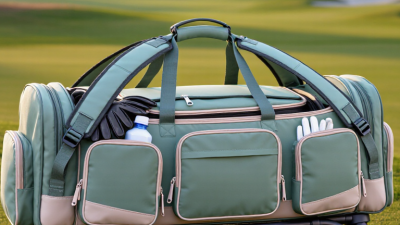
How to Choose the Best Womens Golf Bag?
-
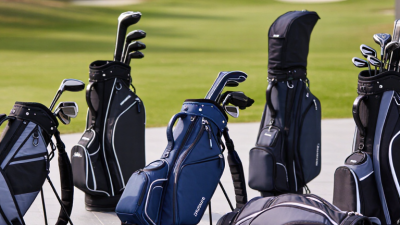
Top China Golf Bags for Men Manufacturers?
-

2026 How to Choose the Best Golf Bags for Men Online?
-

Top 10 Essential Tips for Choosing the Perfect Golf Stand Bag
-
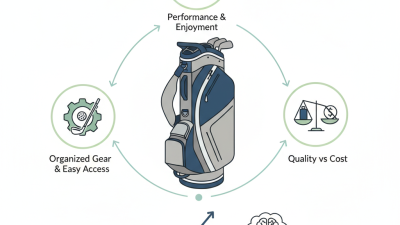
Why Choose the Best Golf Bags for Men for Your Game?
-
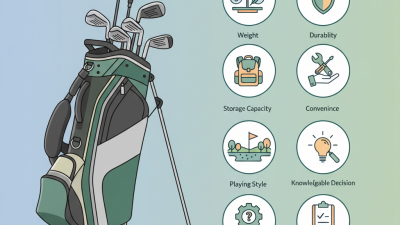
10 Essential Tips for Choosing the Perfect Golf Stand Bag