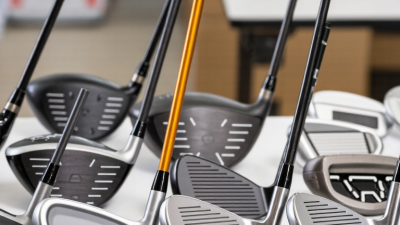
What Are the Best Hybrid Golf Clubs for 2026?
Choosing the best hybrid golf clubs for 2026 starts with a familiar problem: a long approach shot, a tight lie, or rough that makes a fairway wood feel risky. A well-matched hybrid can offer a higher launch, useful forgiveness, and more confidence from uneven ground. But one club will not suit every golfer. Swing speed, strike pattern, preferred ball flight, and the distance gap in your bag all matter.
This guide compares 2026 options through practical details, including loft choices, adjustability, shaft availability, and the kinds of shots each design may suit. It also considers how a club performs in common situations, from sweeping the ball off short grass to escaping light rough. Specs and stock configurations can vary by retailer, so confirm the exact model before buying. A fitting or a side-by-side range test can reveal more than a product description alone. That sounds obvious. It is, mostly. Still, golfers sometimes choose by brand or looks and overlook whether the club fills a real yardage gap. The aim here is to help you narrow the field, understand the trade-offs, and find a hybrid that earns a place in your bag—not just one that looks promising on the shelf.
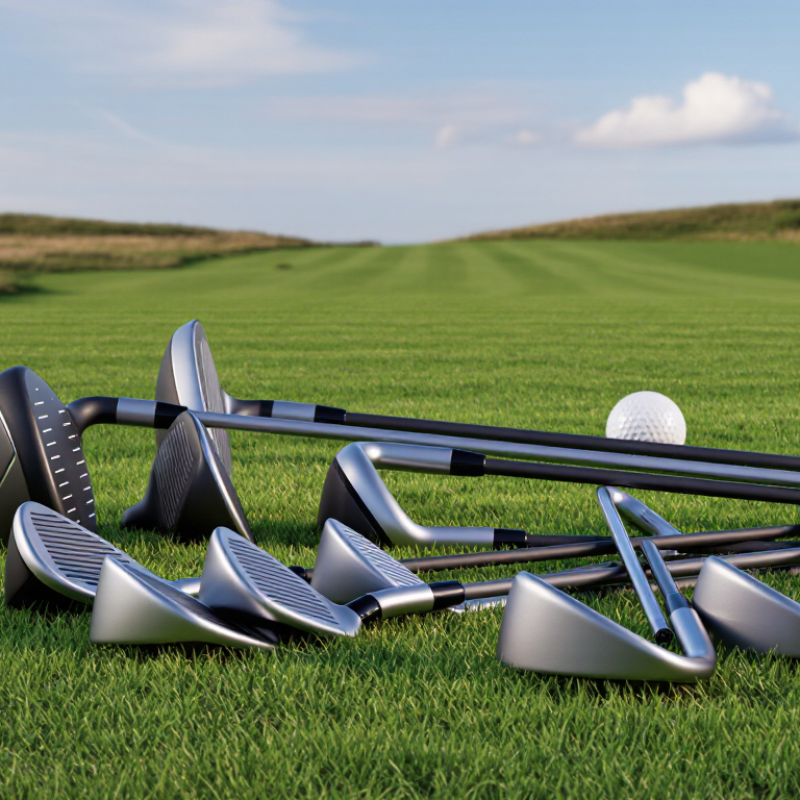
What Hybrid Golf Clubs Do and How They Differ from Long Irons
A hybrid is not simply a smaller fairway wood. Its hollow head, wider sole, and lower center of gravity help launch the ball higher than a comparable long iron. The broader sole can also glide through light rough instead of digging in. Long irons usually have thinner soles and shorter heads, which can offer a more direct feel but demand steadier contact. That difference matters on a damp, tight lie.
A practical distance check helps. TrackMan’s published amateur carry averages place a male golfer’s 5-iron near 163 yards and 7-iron near 140. Those figures show why golfers often need a club to fill the gap, but personal distances vary. A hybrid’s longer shaft and larger face may add carry; they can also make left-right misses more noticeable. Not always an upgrade. Compare it with your longest iron on a launch monitor, using carry distance, peak height, and dispersion—not one unusually long shot. The USGA and R&A’s Distance Insights work examines how distance changes across golf, but it cannot tell you which club suits your swing. A fitting can. Check the club from rough, too; a tidy range mat hides turf problems.
Which Features Matter Most When Comparing Hybrid Clubs in 2026
When comparing hybrid clubs in 2026, start with the shot you need them to cover.
Measure the carry distance between your longest iron and fairway wood, then look for a hybrid that fills that gap. Loft matters, but the number stamped on the sole is only a starting point. Head design, shaft length, and your delivery can change launch and carry. Small differences count. If possible, test two lofts from the same lie and compare ball flight, not just distance. A club that flies high but falls short may suit a different course than one with a flatter, longer flight.
Forgiveness and turf interaction deserve a close look.
A wider sole may glide through soft ground, while a compact head can feel easier to steer from tight lies. Neither shape is best for every golfer. Check whether the face launches the ball reliably from rough, fairway, and a practice mat; mats can hide poor contact. Shaft weight and flex should support a controlled swing, rather than simply promise more speed. During a fitting, note start direction, peak height, and landing angle alongside carry. Keep honest notes: one unusually good strike can make a club seem better than it is.
How the Best 2026 Hybrid Models Compare in Design and Performance
The strongest hybrid clubs for 2026 differ less by headline claims than by how their shapes meet a golfer’s swing. Compact heads often suit players who like to shape shots and set the face behind the ball. Wider soles and deeper profiles can feel steadier from rough or uneven lies. Look closely at sole width, face height, and adjustable loft; each can change launch and turf contact. Small details matter.
Performance depends on more than distance. A lower center of gravity may help launch a long approach, while a heavier-feeling head can improve control for some swings. But no design feature guarantees a higher or straighter shot. On a launch monitor, compare carry distance, landing angle, and left-to-right spread using the same ball and similar strikes. Then hit from real turf. Mats hide some sole interaction.
A useful comparison includes shaft weight and length, too. A club that produces a smooth, repeatable strike may serve better than one with a few extra yards on a perfect swing. Try several models with your usual fairway wood and irons, and note which gaps remain. My own fit judgments can be imperfect; a rushed session, or a slightly different swing, can skew the result. Real-world fit takes more than one impressive shot.
What Are the Best Hybrid Golf Clubs for 2026?
How the Best 2026 Hybrid Models Compare in Design and Performance
How to read this chart: Hybrid lofts commonly fall into these approximate ranges. Lower-lofted hybrids are generally suited to longer shots, while higher-lofted options can help with launch and shorter approach shots. Loft ranges vary by model; this chart shows typical specifications, not measured performance or a ranking of specific clubs.
How to Choose a Hybrid for Your Swing, Skill Level, and Course Needs
A useful hybrid should solve a specific shot, not simply fill a space in your bag. Check the loft and carry gap between your longest iron and fairway wood. Then test from a mat and real turf; a club that launches easily indoors may dig into soft ground. Track carry, peak height, and left-right dispersion, not just the best strike. That detail matters.
Your swing speed and usual miss should guide the shaft, loft, and head shape. A slower swing may benefit from more loft and a lighter shaft. If you tend to hook, test a neutral setup and watch the full shot pattern. Higher-handicap golfers may value easy launch, while experienced players may prioritize trajectory control. Neither preference guarantees better scores. The National Golf Foundation’s 2024 participation report counted about 47 million U.S. golf participants across on-course and off-course play in 2023. That broad mix is a reminder: there is no single hybrid for every golfer. Bring your typical course into the fitting. Tight lies, thick rough, and long carries call for different trade-offs. I would also retest after a few rounds; my first choice might not stay right.
How to Fit and Set Up a Hybrid for Consistent Results
A hybrid should solve a specific problem, not simply fill a gap on the club list. Start by noting where your longest iron becomes unreliable and what shot you need instead. A launch monitor can compare carry distance, peak height, and landing angle, but test results need context. A club that flies far on a mat may behave differently from damp turf.
Loft and shaft length affect both distance and control. Try several lofts, then check whether the gaps between clubs are consistent. During setup, position the ball slightly forward of center and keep your stance balanced. Avoid pressing the hands too far ahead; that can encourage a low, leftward strike. Small changes matter.
Check the lie angle and shaft length with a fitter, especially if shots tend to start consistently left or right. Then hit from grass, if possible, and test different lies. A hybrid should launch without demanding a perfect strike. That is the point. One fitting detail is easy to overlook: record where each shot lands, not just its best carry. I would still question a setup that works only from a clean range mat.