What Are the Best Golf Clubs in 2026?
Choosing the best golf clubs in 2026 requires more than comparing launch-monitor numbers or admiring polished finishes. The right set must match a player’s swing speed, handicap, contact pattern, course conditions, and budget. The National Golf Foundation reported 47.2 million Americans played golf on-course, off-course, or both in 2024. That expanding audience includes beginners, improving amateurs, and experienced players seeking better consistency. Their needs are not identical.
Data matters. Golf Datatech’s equipment-market research continues to track strong consumer interest in club upgrades, especially drivers, irons, and putters. However, sales popularity does not prove universal performance. A forgiving game-improvement iron may rescue a toe strike at a wet municipal course, while a compact players iron may reward precise contact but punish small mistakes. There is no magic club. That is worth remembering.
This guide will examine current club categories through practical testing criteria, including launch, carry distance, dispersion, sound, turf interaction, and fitting flexibility. It will also consider independent standards from organizations such as the USGA, whose equipment rules help define legal club performance. Real golfers should expect imperfect results. Indoor simulators can exaggerate confidence, and one excellent swing can distort a comparison. We will therefore weigh repeatable shots, not isolated highlights. The goal is simple: identify the best golf clubs for different players, not declare one universal winner. Expect evidence, expert context, and honest trade-offs. Your best choice may look less impressive in the bag, yet perform better beside the first tee.
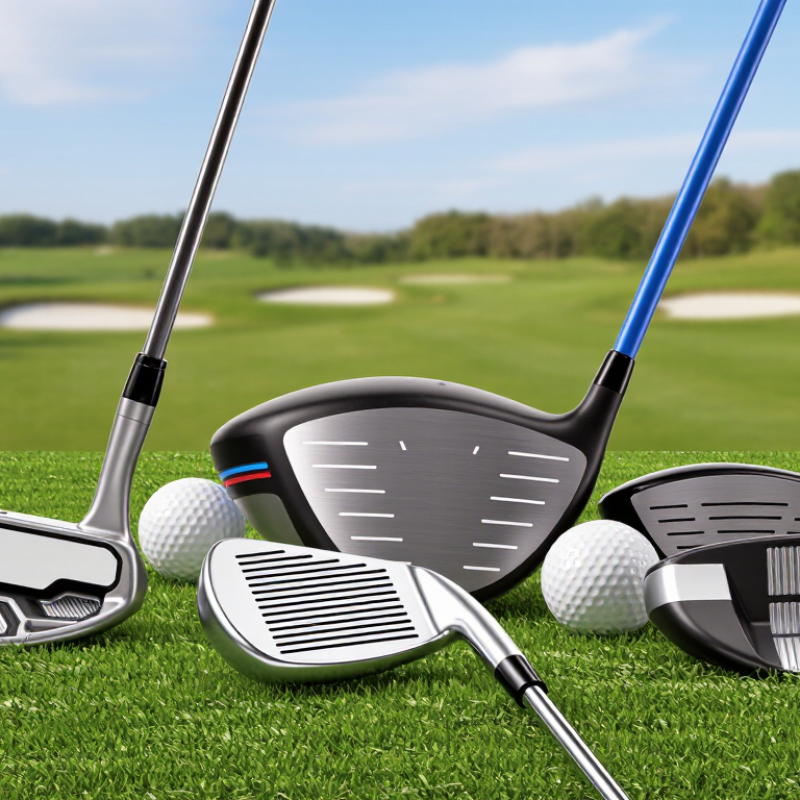
What Makes a Golf Club the Best Choice in 2026?
What makes a golf club the best choice in 2026 is not its launch-year technology. It is the way it fits your swing, course, and practice habits.
The USGA and R&A Distance Insights Report recorded a roughly 20-yard increase in elite male driving distance from 2003 to 2019. That finding matters, but amateur golfers should not chase distance alone. A longer club can create larger misses, especially from a tight fairway.
Fit remains more useful than marketing language. A professional fitting should examine launch angle, spin rate, ball speed, dispersion, and strike location. Watch the carry distance, not only the total distance. A club that carries 185 yards repeatedly may outperform one that reaches 200 yards once.
The best choice should also feel stable when contact moves toward the toe or heel. Real swings are rarely perfect.
The R&A and Sports Marketing Surveys counted 66.6 million golfers worldwide in their 2023 Golf Around the World report. That broad market includes beginners, older players, fast swingers, and occasional golfers. Their needs cannot be solved by one design.
Forgiveness may matter more than a small speed gain. I have also seen golfers select shafts that were too stiff because they sounded more serious. That decision often reduced height and consistency.
My own judgment is not flawless, either; launch monitors can expose uncomfortable habits. Choose measurable control, usable comfort, and a fitting process you can repeat.
How Golf Club Technology Has Evolved for Modern Players
What Are the Best Golf Clubs in 2026?
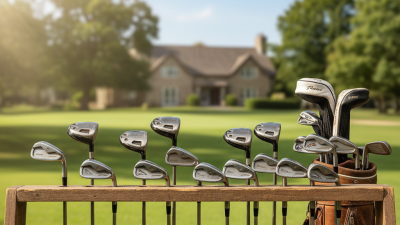
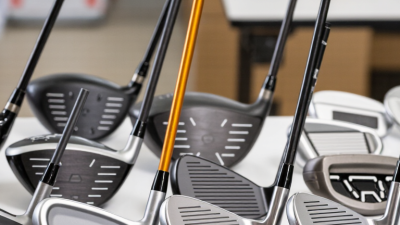
Modern golf clubs are built around forgiveness, speed, and measurable fitting data. Clubhead designs now spread weight toward the perimeter, improving stability when contact misses the center. High-strength face materials can also increase ball speed across a wider area.
That sounds perfect. It is not always simple.
A suitable driver should match your swing speed, launch angle, and typical miss. Adjustable hosels help players fine-tune loft and face direction without replacing the entire club.
Modern irons use hollow bodies, flexible faces, and low weighting to create higher launch and longer carry. However, extra distance can create larger gaps between clubs.
A professional fitting can reveal this problem through launch monitor numbers, carry distance, spin rate, and descent angle.
Wedges have evolved too.
More precise sole shapes support different turf conditions and attack angles. Putters now use high-moment-of-inertia designs, improved face patterns, and alignment aids that make starting direction easier to control.
In my experience, technology helps most when it matches the player, not when it simply promises more distance.
Newer is not automatically better. Some golfers may still prefer a heavier head or a softer response, even if testing shows a small loss of speed.
Personal feedback matters. A perfect-looking club can still feel wrong after nine holes.
How to Compare Club Performance, Design, and Custom Fitting Options
Choosing the best golf clubs in 2026 starts with measurable performance, not shelf appeal. The USGA and R&A Distance Insights Report recorded a 20.6-yard increase in average driving distance on the PGA Tour from 2003 to 2019. That figure shows why distance matters, but it does not define a useful club for every golfer. Compare ball speed, launch angle, spin, carry distance, and dispersion. Miss patterns matter more than one perfect swing.
Design affects those numbers. A deeper center of gravity can raise launch and add stability on off-center strikes. A thin face may increase speed, while a heavier sole can improve turf interaction. For irons, examine sole width, bounce, offset, and gapping. Watch the first bounce. It reveals more than polished marketing language. The R&A Global Golf Participation Report 2023 counted 66.6 million golfers worldwide, so one “best” design cannot suit such varied swings.
Custom fitting should test at least three head settings and several shaft profiles. Record five to ten usable shots, not just the longest one. Check lie angle with impact tape or a launch monitor. A two-degree lie error can shift directional results noticeably. I have sometimes favored a faster club, then regretted its wider dispersion on the course. That is a useful warning. Data can expose preferences, but it cannot replace honest outdoor testing, changing lies, wind, and imperfect contact.
How to Choose the Right Golf Clubs for Your Budget and Goals
What Are the Best Golf Clubs in 2026?
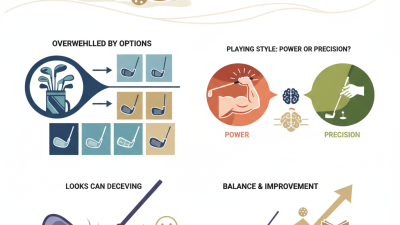
The best clubs depend less on popularity and more on your budget, swing, and playing goals. The National Golf Foundation reported about 28.1 million on-course golfers in the United States during 2023. That wider market includes beginners, returning players, and serious competitors. Their equipment needs are not identical.
Set a clear spending limit before visiting a fitting studio. A complete set can be sensible for new golfers, while experienced players may benefit from replacing only worn clubs. The 2024 Distance Insights Report from the USGA and The R&A found that driving distance continues to rise at elite levels. More distance is not automatically better for a recreational golfer. A club that launches consistently may save more strokes than one promising extra yards.
Ask for measurable evidence. Check carry distance, launch angle, dispersion, and strike location. A fitting session should show several swings, not one perfect shot. Try clubs from different price levels, then compare the results honestly. Forgiving designs can help golfers who miss toward the heel or toe, but they may feel less precise around the green. That trade-off matters.
I have seen players buy advanced equipment before improving contact. It looked impressive, but their scores barely changed. A modest set with suitable shaft weight may be wiser. Review your last five rounds, identify your most common miss, and choose equipment that addresses that pattern. Leave room for lessons, practice balls, and a basic lie check. Your budget should support the whole game, not only the golf bag.