China Top Driving Iron Suppliers How to Choose?

Choosing among China’s top driving iron suppliers requires more than comparing prices and polished product photos. A reliable buyer must examine design capability, material control, testing procedures, customization, and communication. A driving iron may look powerful in a catalogue, yet perform poorly if its center of gravity, shaft profile, or face construction does not suit the intended player.

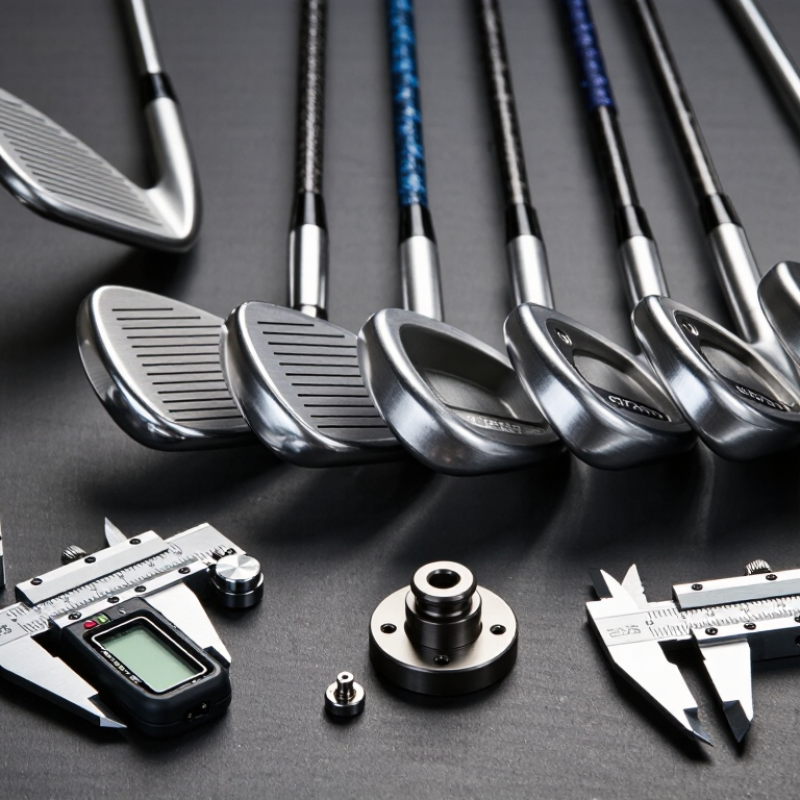
Tom Wishon, a respected golf club designer and equipment authority, has repeatedly emphasized, “There is no such thing as a standard golf club.” His point applies directly to supplier selection. A serious manufacturer should explain loft options, head weight, hollow-body construction, tungsten placement, shaft compatibility, and quality tolerances. Ask for measurable evidence, not attractive promises. Request samples and inspect the finish, sole geometry, welds, grip installation, and impact consistency. Small defects matter.

Do not choose only the lowest quotation. That approach can create hidden costs through inconsistent batches, delayed revisions, or excessive returns. Instead, compare suppliers through a practical checklist. Review factory experience, production capacity, inspection records, prototype support, and export communication. Confirm whether the supplier can maintain specifications across repeated orders. A useful test is simple: send the same technical questions to several factories and compare the clarity of their answers.

Some buyers still overlook player feedback. That is a mistake. Launch data and course testing reveal weaknesses that drawings cannot. Even experienced buyers can judge too quickly. The “top” supplier on paper may not be the best partner for your market. Careful verification creates confidence, but uncertainty never disappears completely.

China Top Driving Iron Suppliers How to Choose?

What Is a Driving Iron and Who Is It Designed For?

What Is a Driving Iron and Who Is It Designed For?

A driving iron is a low-lofted utility iron, usually between 16 and 20 degrees. Its hollow body and wider sole create more forgiveness than a traditional long iron. Many models are built for tee shots, tight fairways, and windy conditions. The flight is usually flatter than a hybrid’s flight. That can help golfers control rollout.

The USGA and R&A Distance Insights Report (2021) recorded average driving distances of about 215 yards for male recreational golfers and 148 yards for female golfers. These figures show why one club cannot suit every player. Golfers with moderate or high swing speed may prefer a driving iron for accuracy and a penetrating ball flight. Players with slower speed may struggle to launch it high enough. I have seen this during fittings. The club looked powerful, but the launch monitor showed weak carry distance.

A suitable buyer should test carry distance, launch angle, spin, and dispersion. A driving iron that travels far but lands too sharply can become difficult around firm greens. Suppliers should provide verified loft, lie angle, shaft options, and center-of-gravity details. Independent testing matters. Marketing claims alone are not enough. Even experienced players should compare tee and turf performance before ordering large quantities.

China Top Driving Iron Suppliers: How to Choose?

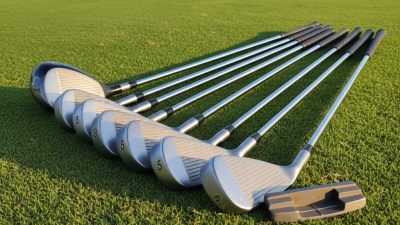
A driving iron is a low-lofted, hollow or muscle-back iron designed to produce a penetrating tee shot with more control than a driver. The reference lofts below show how driving irons are commonly positioned across traditional iron equivalents.

Lower-lofted 2- and 3-iron designs are generally better suited to golfers with higher swing speed and consistent ball striking. A 4-iron-style driving iron offers a higher launch and is often easier to control. Actual lofts vary by supplier, model, and custom specification, so compare loft, center of gravity, shaft options, and launch performance before choosing.

Which Driving Iron Specifications Should Buyers Compare?

When comparing driving iron suppliers in China, buyers should start with loft, not appearance. A 2-iron may range from 18 to 20 degrees, changing launch and carry noticeably. Compare loft gaps across the full set. A six-degree gap can leave an awkward distance between clubs.

Shaft specifications also deserve close attention. Check shaft weight, flex, torque, length, and balance point. A longer shaft may add speed, but it can reduce control from tight fairways. Confirm whether swing weight remains consistent between samples. Lie angle matters too. A two-degree difference can change the starting direction for many players. Ask suppliers for measured tolerances, not only catalogue values.

Head design affects forgiveness and turf interaction. Compare face thickness, material, center of gravity, offset, sole width, and leading-edge shape. A wider sole can help on soft ground, yet it may bounce too much from firm surfaces. Request launch, spin, ball-speed, and dispersion data from repeatable tests. One sample is not enough. I once saw two heads with identical listed lofts produce different launch results, so printed specifications should be verified. Manufacturing consistency is often harder than the first prototype. Ask for inspection records, sample approval procedures, and batch measurements. Small differences in hosel alignment or face angle can become visible on the course. It is easy to overlook.

How to Evaluate a Chinese Supplier’s Quality and Manufacturing

China Top Driving Iron Suppliers: How to Evaluate Quality and Manufacturing

A reliable supplier should prove quality with records, not attractive samples. The World Steel Association’s World Steel in Figures 2024 reports that China produced 1,019.1 million tonnes of crude steel in 2023. This capacity supports strong material access, but it does not guarantee consistent driving irons. Request mill certificates, alloy specifications, and independent chemical analysis for each production batch. Check hardness, loft, lie, face thickness, and shaft insertion depth against agreed tolerances. Small deviations can change ball flight.

Inspect the factory process closely. Look for controlled forging or casting, CNC machining, heat treatment, surface finishing, and final inspection stations. Ask for process-control plans and corrective-action reports. The ISO Survey 2022 recorded more than 1.26 million ISO 9001 certificates worldwide. Certification helps, but it cannot replace an on-site audit. Numbers matter. Watch an operator measure hosel alignment. Examine rejected heads, not only perfect samples. A supplier hiding defects creates risk.

Order pilot samples before committing to volume. Test several heads from different batches, then compare weight, center of gravity, loft, lie, and face rebound. An independent golf laboratory can verify these results. Request fatigue and impact testing where appropriate. One sample can mislead. I have seen polished prototypes conceal unstable production controls. That weakness deserves attention. A dependable Chinese manufacturer explains limits clearly, documents changes, and accepts third-party verification without hesitation.

How to Verify Samples, Certifications, and Production Capacity

Choosing China’s top driving iron suppliers requires more than comparing prices. Start with a physical sample and record its loft, lie angle, shaft length, swing weight, and head finish. Request two or three units from the same production batch. Small differences can reveal weak process control.

Ask for material reports, coating test results, and quality certificates. Confirm the certificate holder, issuing organization, validity period, and factory address. A certificate copied from another facility has little value. Request recent inspection records, not only polished presentation files. Ask for evidence.

Production capacity needs practical verification. Review the factory’s cutting, forging, CNC, polishing, assembly, and final inspection areas. Compare claimed monthly output with machine numbers, worker shifts, and current orders. Ask how many driving irons can be produced weekly without delaying other customers. A detailed capacity sheet is useful, but it may still be optimistic.

During one supplier review, I found that a strong sample came from an experienced technician rather than normal production. That changed the evaluation. Request a pilot order and inspect every stage, including shaft alignment, grip installation, paint consistency, and packaging. Check whether the supplier records defects and corrective actions. Do not guess. A short video call helps, but an independent factory audit is more reliable. Leave room for doubt, because production quality can change after approval.

How to Compare Pricing, Order Terms, and After-Sales Support

When comparing China’s driving iron suppliers, separate the unit price from the landed cost. The R&A’s 2023 Global Golf Participation Report recorded 66.6 million golfers worldwide. Demand is broad, but specifications vary sharply. Ask for prices at several quantities, including samples, tooling, packaging, and spare heads. A quote without Incoterms is incomplete. Confirm whether it covers delivery, export handling, and insurance. Also compare payment schedules, minimum order quantities, and production lead times. Small savings can disappear quickly.

Request a written quality plan before placing an order. It should define loft tolerance, face thickness, lie angle, surface finish, and acceptable cosmetic marks. The USGA and R&A’s Distance Insights Report showed continued distance gains across many golfer groups. That makes consistency important, not just appearance. Ask for inspection records and independent testing where possible. Factory photographs are useful, but they are not proof. I would still challenge vague claims such as “premium quality.”

After-sales terms deserve equal attention. Require a clear response deadline for defects, missing components, and transit damage. Ask whether replacement heads, shafts, or packaging can be supplied separately. Clarify who pays for rework, reshipping, and inspection costs. A low unit price may hide weak support. One practical warning: verbal promises often fade after payment. Put every agreed tolerance and remedy into the purchase contract. Even then, review the arrangement after the first shipment; assumptions sometimes fail.

China Top Driving Iron Suppliers: How to Choose and Compare Pricing, Order Terms, and After-Sales Support
Evaluation Dimension What to Compare Typical OEM/ODM Benchmark Preferred Offer Buyer Verification Method
Product Type Driving iron construction and target customer segment Hollow-body, muscle-back, or utility-iron designs; common lofts include approximately 16°–24° for long-iron applications The supplier can provide several head designs and adjust loft, lie, bounce, and center of gravity according to the target market Request product drawings, loft and lie specifications, head-weight data, and physical samples
Factory Capability In-house production versus outsourced processes Core processes may include forging or casting, CNC finishing, polishing, coating, shaft assembly, and final inspection Clear process flow, stable production capacity, documented quality procedures, and traceable subcontractors where applicable Review a factory audit, process flow chart, production photos, and recent quality records
Indicative Unit Pricing Ex-factory price for a standard right-handed driving iron, excluding freight and import duties Approximately US$25–US$90 per club for typical OEM/ODM production; advanced materials, premium shafts, and complex finishes can increase the price A transparent quotation separates head, shaft, grip, assembly, packaging, tooling, and customization costs Compare quotations using the same loft, shaft, grip, finish, packaging, quantity, and delivery term
Sample Cost Cost of prototypes and sample revisions Commonly US$50–US$200 per customized sample, excluding tooling or special mold charges The supplier explains whether sample charges are refundable after a confirmed bulk order Obtain written sample terms, revision limits, lead time, and refund conditions
Tooling and Mold Charges Upfront cost for a new head shape, logo, or customized component Existing designs may require little or no new tooling; fully customized heads may require several hundred to several thousand US dollars depending on complexity Tooling ownership, storage period, modification rights, and transfer conditions are stated in the contract Ask for a tooling quotation, 2D/3D design approval process, and ownership clause
Minimum Order Quantity Minimum quantity for standard and customized orders Stock or semi-custom models may be available from approximately 10–50 clubs; customized production often starts at approximately 100–500 clubs MOQ is flexible for initial testing, while bulk pricing remains clearly defined Request separate MOQ and pricing tables for samples, trial orders, and repeat orders
Lead Time Time from approved specifications and deposit to shipment Samples commonly require approximately 7–20 working days; standard bulk orders often require approximately 30–60 days, depending on quantity and component availability The quotation includes sample, production, inspection, and shipping milestones Confirm the production calendar in writing and ask how delays are handled
Customization Range Available options for head design, finish, logo, shaft, grip, and packaging Typical options include laser engraving, pad printing, custom paint-fill, multiple finishes, shaft flex selection, grip selection, and branded packaging The supplier supports design approval samples and maintains a controlled specification sheet Check a customization matrix and approve a golden sample before mass production
Material Disclosure Material and grade information for the club head, shaft, and grip Common club-head materials include stainless steel or other golf-equipment alloys; shaft options may include steel or graphite Material grades, component sources, and any coating specifications are documented and consistent between sample and bulk goods Request material declarations, component datasheets, and independent test reports when required
Dimensional Consistency Loft, lie, face angle, head weight, shaft length, and swing-weight tolerances Professional buyers should define measurable tolerances rather than accepting broad claims of consistency The supplier provides inspection records and agrees to measurable acceptance limits before production Use third-party or pre-shipment inspection to verify dimensions and assembly specifications
Quality Inspection Incoming, in-process, and final inspection procedures Relevant checks include visual finish, loft and lie, head weight, shaft alignment, grip position, bonding, paint, and packaging Inspection checkpoints are documented, with photos or reports linked to the purchase order Ask for the inspection checklist, acceptable quality limits, and defect-handling procedure
Payment Terms Deposit, balance payment, and payment protection A common international arrangement is approximately 30% deposit and 70% balance before shipment, although terms vary by supplier and order history Payment milestones are linked to sample approval, production completion, and inspection results Use a written sales contract and avoid paying a balance before agreed inspection requirements are completed
Trade Terms EXW, FOB, CIF, or DDP quotation structure FOB is commonly used for export orders; CIF and DDP include additional freight or destination services that must be clearly itemized The supplier states the named port, destination, included charges, insurance coverage, and responsibility for customs clearance Compare offers on the same Incoterm, destination, currency, freight period, and insurance basis
Packaging and Export Documents Protection during transport and completeness of shipping paperwork Typical documents may include commercial invoice, packing list, bill of lading or airway bill, and certificate of origin when applicable Individual club protection, carton testing, moisture protection, and document preparation are included in the quotation Review packaging samples and confirm carton dimensions, gross weight, marks, and documentation responsibility
Warranty Period Coverage for manufacturing defects and component failure Commercial warranty policies commonly range from approximately 6–12 months, subject to documented terms and intended use Warranty coverage, exclusions, evidence requirements, and claim deadlines are clearly defined Request a written warranty policy covering head defects, bonding, shaft breakage, finish defects, and grips
Defect Resolution Replacement, credit, repair, or refund process Resolution depends on defect type, order quantity, inspection evidence, and agreed contract terms The supplier commits to a response within 1–3 business days and provides a corrective-action timeline Ask for a sample claim workflow and confirm who pays replacement and return freight
After-Sales Communication Availability of a dedicated export or technical contact Reliable communication should cover specification changes, production status, quality issues, and replacement orders A named contact responds promptly and maintains an order record from sample approval through after-sales service Test response speed and technical accuracy before placing a bulk order
Compliance and Traceability Ability to meet destination-market requirements and trace production batches Requirements vary by market and may include chemical, packaging, labeling, product-safety, or import documentation rules The supplier can identify production batches and provide relevant declarations or test reports when requested Provide destination-market requirements before quotation and verify documents with an independent specialist if necessary
Total Landed Cost Full cost after manufacturing, freight, insurance, duties, taxes, inspection, and local delivery The lowest unit price is not necessarily the lowest landed cost because freight, tooling, rejects, delays, and warranty claims can materially affect the final cost The supplier provides a complete cost breakdown and supports accurate carton and shipment data Build a landed-cost comparison using identical order quantities, destination, Incoterm, and quality requirements
Benchmark note: The prices, MOQs, and lead times above are indicative industry benchmarks for OEM/ODM golf driving iron sourcing. Actual terms depend on design complexity, order quantity, component selection, season, inspection requirements, and destination market. Confirm all commercial and technical details in a signed quotation and purchase contract.