
What Are the Different Types of Golf Putters?

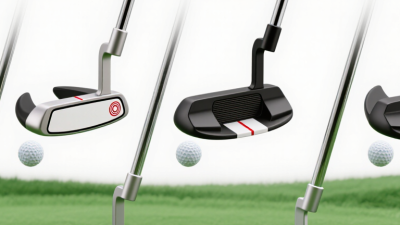
Golf putters come in several shapes and balance styles, and each can change how a club looks and feels over a short stroke. The main designs include blade, mid-mallet, and mallet putters. Blades have a narrow profile and often suit golfers who prefer a traditional appearance. Mallets use larger heads, which can provide clearer alignment features and a steadier feel for some players. Mid-mallets sit between those designs. They offer a useful compromise, though no shape guarantees better putting.

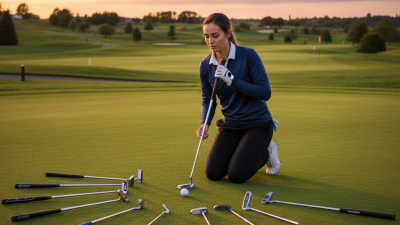
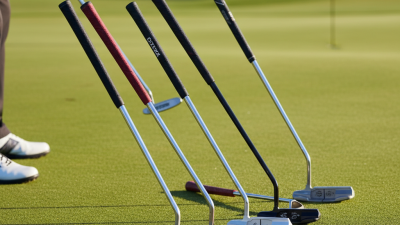
The right choice depends on more than head shape. Face-balanced and toe-hang models behave differently as the putter swings, so matching the balance to your natural stroke can be helpful. Grip size, shaft length, head weight, and alignment lines also affect comfort and control. Small details matter. A putter that looks easy to aim on a shop floor may feel different over a real ball. Testing several models on a practice green can reveal those differences better than appearance alone.

This guide explains the common types of golf putters, their design features, and the strokes they may suit. It also considers practical factors such as feel, forgiveness, and alignment. These are useful starting points, not strict rules. Personal preference can be difficult to measure, and even careful comparisons may leave questions. That is worth remembering when choosing a putter.
What Are the Different Types of Golf Putters?

How Golf Putters Are Classified

Golf putters are classified along several overlapping dimensions, not by one universal system. Head shape is the easiest to spot: blades are compact, while mallets have larger heads and often clearer alignment lines. Balance offers another category. A face-balanced putter tends to resist twisting when held horizontally; a toe-hang model lets the toe drop and may suit a stroke with more rotation. These are fitting clues, not rules. A player’s natural motion can still surprise them.

Shaft position and hosel design also shape a putter’s feel and alignment. Centre-shafted designs place the shaft near the head’s centre; heel-shafted designs connect closer to the heel. Head weight and length add further choices. PGA TOUR’s 2023 putting statistics recorded a leading average of about 1.70 putts per hole. That figure describes elite performance, not a target for recreational golfers, and it cannot identify one best putter type.

Tips: Test several head shapes on a flat practice green. Watch whether the face starts the ball on line, then check comfort and distance control. Keep notes; memory gets fuzzy. Don’t choose by appearance alone.

Blade Putters: Shape and Design

Blade putters have a slim, usually rectangular head with a narrow face and a clean rear edge. Their compact shape leaves more of the clubhead visible behind the ball, which some golfers find easier to aim. Subtle details matter: a thin top line, a single sightline, or a softened heel can change how the head looks at address. Small visual cues. Many blade designs place weight toward the heel and toe, but their compact heads often offer less resistance to twisting than larger mallets. Miss the center, and the ball may start offline or travel a shorter distance. Design varies, so shape alone cannot predict performance.

The neck connecting the shaft to the head affects toe hang and how the putter sits. A putter with noticeable toe hang may suit a golfer with a stronger arcing stroke, though individual fit is not that simple. Check how the face returns to square during your natural motion. Then roll putts from several distances on a level practice green. Watch the start line, not just whether the ball drops. A blade’s narrow profile can feel precise, but it may also make alignment harder if the head appears too small. That impression is worth questioning before choosing one.

What Are the Different Types of Golf Putters? — Blade Putters: Shape and Design

Design Feature Common Blade-Putter Form How It Affects the Putter Key Consideration
Head shape Relatively narrow, compact head with a simple profile Creates a traditional, streamlined appearance and can make the putter head easy to align visually. Its smaller profile may offer less visual reassurance than a larger mallet head.
Head length and width Usually longer from heel to toe than from front to back Provides a clear face line while keeping the head relatively shallow from front to back. Exact proportions vary; compare how the head looks behind the ball at address.
Weight distribution Often concentrated closer to the center of the head than in many high-MOI mallet designs Off-center contact can cause more face rotation or ball-speed variation than it would with a highly perimeter-weighted design. Consistent contact is important; head design alone does not determine putting performance.
Face design Flat striking surface; may be milled or include a face insert Face construction can influence feel and sound at impact. Face material and pattern differ by model, so test the feel rather than assuming one design is best.
Neck and hosel May use a plumber’s neck, a slant neck, or another neck style Neck geometry affects the shaft’s position and the amount of toe hang, which can influence how the face naturally rotates during the stroke. Match the toe hang and setup to your stroke; a fitting or putting test can help.
Toe hang Can range from face-balanced to substantial toe hang, depending on the head and neck More toe hang generally suits golfers whose putting stroke has more face rotation; face-balanced designs generally suit strokes with less rotation. This is a general fitting guideline, not a strict rule. Stroke style and personal comfort matter.
Alignment features May have a thin sight line, a top-line mark, or minimal markings Simple alignment cues keep the head visually uncluttered and help some golfers focus on the face. Choose markings that make it easier to aim the face squarely at the target.
Overall design character Traditional shape with relatively few visual or structural features Offers a direct, uncomplicated look that many players prefer at address. Blade putters are not automatically more accurate; results depend on fit, aim, contact, and practice.

Mallet Putters: Styles and Features

Mallet putters come in compact, rounded, and high-MOI designs, each offering a different balance of visibility and feel. Compact mallets keep a modest footprint, while larger heads often use wings or extended rear sections to resist twisting on off-center strikes. That stability can help, but it cannot fix a poor setup or an inconsistent stroke.

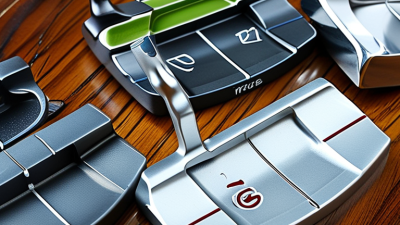
Alignment features vary from a single sight line to multiple contrasting marks. A clear line can make it easier to aim at a small target, such as a coin-sized mark on the practice green. Too many lines may distract some golfers. Feel matters, too. Face inserts and head materials change the sound and impact sensation, so test them on a real putting surface when possible.

Shaft position is another useful distinction. A center-shafted mallet may suit golfers whose stroke travels with little arc; a heel-shafted model may feel more natural to those with a modest arc. These are fitting clues, not strict rules. A bigger head is not automatically easier to control. Check whether the putter sits flat, frames the ball comfortably, and starts short putts on your intended line. A small mismatch can linger.

Face-Balanced and Toe-Hang Putters

Face balance and toe hang describe how a putter head rests when its shaft is balanced. They offer a useful starting point, not a verdict. A face-balanced head tends to keep its face pointing upward. It often suits a stroke with less visible rotation. A toe-hang head lets the toe drop. That design can feel more natural for golfers whose putter face opens and closes through the stroke. These are tendencies, not rules.

The Shot Scope 2023 Performance Average report found that golfers with a 20 handicap averaged 36.3 putts per round. That figure highlights how much putting matters, but it does not prove one head style works better. Test both designs on short putts and longer lag putts. Watch whether the face returns square, and note how often your misses start left or right. The labels can mislead.

Pay attention to feel, too. A toe-hang putter may help some golfers sense the head turning, yet feel alone cannot confirm better aim. Try a straight, three-foot putt, then a six-foot putt with a slight break. Keep the same grip and stance. Compare start direction and pace, not just whether the ball drops. A single session is imperfect evidence. That’s normal. A simple fitting mirror or launch monitor can add objective face-angle and path measurements, but your repeatable results matter most.

How Length, Neck, and Face Design Vary

Putter length affects posture, eye position, and how freely the arms hang. Many adult putters measure about 33 to 35 inches, but body proportions and stance matter more than a standard number. At address, let your arms relax and check whether your eyes sit comfortably over or just inside the ball. Too long can push the hands forward; too short may encourage a cramped bend. Feel matters. A fitting on a flat indoor mat may not match your usual course stance, so test the setup where you actually play.

The neck connects the shaft to the head and influences toe hang, or how much the toe turns downward when the putter balances. A plumber’s neck often suits a moderate arc, while a center-shafted design tends to suit a straighter stroke. Slant and flow necks offer other amounts of toe hang. These are useful clues, not rules. A golfer’s stroke can change under pressure, which makes neat categories less certain.

Face design changes sound and feel at impact. A milled metal face often feels firmer, while an insert may feel softer, though ball cover and distance also affect feedback. Grooves or face patterns can influence roll, but they cannot rescue poor contact. I used to think softer always meant better touch; that is not always true. Try short and long putts, and notice whether the ball starts on line and the sound feels consistent.