Top 10 Best Golf Wedges for Global Buyers?

Choosing the right golf wedges can change how confidently a player attacks tight lies, deep rough, and delicate greenside shots. Global buyers face extra complications. Loft markings may vary by brand. Bounce descriptions can also feel inconsistent between manufacturers. Shipping conditions, local fitting access, and regional return policies matter too.

This guide examines the Top 10 Best Golf Wedges for Global Buyers through practical playing needs. We consider distance control, spin consistency, sole design, groove durability, shaft options, and price. We also examine how each wedge performs from firm turf, soft sand, and damp fairways. These details matter when a player moves between climates or plays unfamiliar courses. A 56-degree sand wedge may suit one golfer perfectly, yet feel awkward for another with a steep swing.

Our approach combines manufacturer specifications, fitting principles, player feedback, and realistic course experience. We focus on measurable features, but numbers never tell the whole story. Feel remains personal. Very personal. A forged head can sound softer, while a cast design may offer stronger value and durability. Neither choice is automatically better.

No ranking is perfect. Some results may change after a professional fitting or several months of use. That limitation deserves attention. A wedge that performs beautifully during a dry practice session may behave differently in heavy moisture. Buyers should check local availability, warranty terms, shaft compatibility, and customs requirements before ordering. With those points in mind, this selection aims to make golf wedges easier to compare, whether you are a developing player, a low-handicap competitor, or a coach advising golfers across borders.

Top 10 Best Golf Wedges for Global Buyers?

Understanding Golf Wedge Types and Their Essential Roles

Top 10 Best Golf Wedges for Global Buyers?

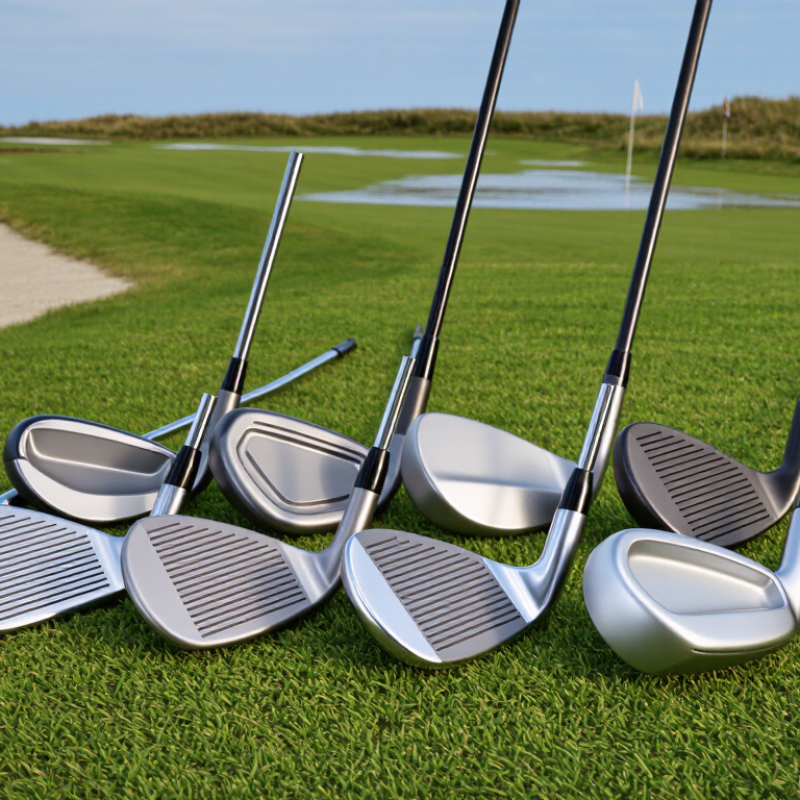
Understanding wedge types helps golfers choose tools for specific shots, not attractive numbers alone. A pitching wedge usually supports full swings and controlled approach shots. Its moderate loft creates a practical distance gap after the iron set.

A gap wedge fills the space between pitching and sand wedges. Many players use it for three-quarter swings, short approaches, and reliable distances from 80 to 110 yards. A sand wedge has higher loft and wider sole support. It helps escape bunkers and handle soft turf. A lob wedge produces a high flight for short-sided greens, but it demands cleaner contact and more practice.

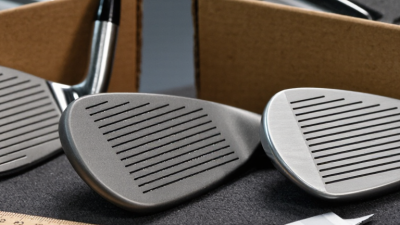
Bounce describes how the sole moves through the ground. Higher bounce can protect against digging in soft sand or wet grass. Lower bounce may suit firm turf and shallow swings. Grind affects sole shape and turf interaction, although golfers often overlook it. I have seen players select loft by habit, then struggle with large yardage gaps. That choice deserves review.

Tips: Test each wedge from grass, sand, and tight lies. Record carry distances, not total roll. Check the loft spacing between every club. A fitting session can reveal swing tendencies that online charts miss. Weather also matters; wind and damp turf can change wedge performance noticeably. Keep expectations realistic. No wedge fixes inconsistent contact.

Top 10 Best Golf Wedges for Global Buyers

Understanding Golf Wedge Types and Their Essential Roles

Wedge loft strongly influences launch height, stopping power, and shot distance. Pitching and gap wedges are commonly used for approach shots, sand wedges are designed for bunker and soft-turf play, while lob wedges support high, short shots around the green. Actual carry distance varies by swing speed, shaft, ball, and technique.

Key Specifications for Comparing Wedges Across Skill Levels

Top 10 Best Golf Wedges for Global Buyers?

Key Specifications for Comparing Wedges Across Skill Levels

A practical wedge shortlist should begin with loft, not appearance. The USGA and R&A Distance Insights Report found that modern golfers continue to hit longer approach shots. This makes precise wedge spacing increasingly important. Many players benefit from four-to-six-degree loft gaps, such as 48°, 52°, 56°, and 60°. However, a 60° wedge can punish inconsistent contact. Beginners often perform better with 54° or 56° lofts and wider soles.

Bounce deserves equal attention. Low bounce, around 4° to 8°, suits firm turf and shallow swings. Medium bounce, near 8° to 12°, offers broader protection. Soft ground or steep swings may require 12° or more. Shaft weight, length, groove sharpness, and swing weight also influence distance control. The R&A’s equipment research emphasizes consistency and repeatable testing, not isolated launch numbers. That matters when comparing wedges across countries and turf conditions.

Spin is useful, but I sometimes overvalue it. Clean grooves cannot rescue poor contact. A wider sole may feel less elegant, yet it can reduce digging during wet rounds. Testing should include half-swings, rough lies, and firm sand. Record carry distance, launch angle, and dispersion. Ten options may look impressive online, but a local fitting session usually reveals the better match. Personal technique still changes the result.

Top 10 Golf Wedges for Different Playing Styles and Conditions

Top 10 Best Golf Wedges for Global Buyers?

Choosing the right wedge depends on playing style, turf, sand, and weather. A versatile gap wedge suits players who need reliable distance control between short irons and sand wedges. A high-loft lob wedge helps skilled golfers hit soft shots over bunkers and firm greens. Beginners may prefer a cavity-backed wedge because it offers more forgiveness on slight mishits. It is not magic.

For firm, dry courses, low-bounce designs can help golfers strike the ball cleanly. Soft ground usually favors wider soles with higher bounce, especially for steeper swings.

Flanged soles work well in fluffy sand, while compact soles suit shallow swings and tight lies. Players who open the clubface often need added sole relief. Those who play in windy regions may prefer a lower launch and controlled spin. Heavy rough demands enough mass to move through grass without twisting badly.

A consistent wedge setup should include sensible loft gaps, not random club choices. Many players benefit from checking carry distances with a launch monitor and confirming them on the course. Groove condition also matters; worn grooves may reduce predictable spin in wet conditions. I have seen golfers blame technique when their wedge setup was poorly spaced. I have made that mistake too. A professional fitting can reveal lie-angle problems, but real grass testing remains essential. Feel, contact, and repeatable distance should guide the final choice across different playing conditions.

How to Match Wedge Design With Course, Turf, and Climate

Top 10 Best Golf Wedges for Global Buyers?

How to Match Wedge Design With Course, Turf, and Climate

Choosing among the top ten wedges should begin with local playing conditions. Loft controls launch, while bounce helps the sole move through the ground. Firm, tight turf often suits moderate bounce and a narrower sole. Soft fairways usually need more bounce to prevent digging. Wet turf changes everything.

Climate also affects your wedge decision. In humid regions, damp grass can slow the clubhead and increase resistance. A wider sole may glide better there. Dry, hard courses reward precise contact and predictable leading-edge control. In windy areas, a lower-lofted wedge can produce a flatter flight. However, golfers who rely on high shots may need extra loft for short-sided greens.

Your sand conditions deserve attention. Deep, fluffy sand generally favors generous bounce and a broader sole. Compact sand may require less bounce and sharper entry control. A wedge fitting should include real swings, not only launch-monitor numbers. I once selected too much bounce for firm links-style turf. My bunker shots improved, but tight lies became frustrating. That mistake changed how I evaluate wedge design.

Consider your swing too. Steep swings often benefit from more bounce. Shallow swings may prefer a slimmer sole. Shaft length, lie angle, and grip size can change contact quality. Test wedges from several lies before buying internationally. Local grass, seasonal moisture, and your normal miss matter more than a popular specification.

Global Buying Factors: Prices, Availability, Fitting, and Support

For global golfers, the best wedge is not always the most expensive option. Prices can change sharply after currency conversion, taxes, and delivery charges. Check the complete checkout cost before comparing models. A wedge listed at $120 may cost much more after import fees. Availability also matters. Common lofts may sell out quickly during peak golf seasons. Select sellers with clear stock updates and realistic shipping times.

Fitting should match your swing, turf, and course conditions. A 50-degree wedge can support controlled approach shots, while higher lofts help with short-sided lies. Bounce affects how the sole moves through sand or firm ground. Test several options if possible. My own fitting checks have shown that comfort and distance control can matter more than appearance. Still, online fitting tools are useful when local testing is unavailable. Their recommendations are helpful, not perfect.

Tips: Measure your current carry distances. Keep loft gaps near 4 to 6 degrees. Ask about left-handed availability, shaft choices, return rules, and warranty support. Reliable assistance should cover delivery problems and fitting questions after purchase. Save screenshots of prices and specifications. They can prevent confusion when listings change. A small mistake remains possible. That is why careful comparison beats a rushed deal.

Top 10 Best Golf Wedges for Global Buyers — Prices, Availability, Fitting, and Support

A practical comparison of widely available wedge profiles for different swing types, course conditions, and international purchasing needs. Prices are typical per-club retail ranges in USD and may vary by region, taxes, shipping, and custom options.

Rank Wedge Profile Best For Common Lofts Typical Bounce Sole / Grind Characteristics Forgiveness Typical Price (USD) Global Availability Fitting Requirement After-Sales Support
1 Forgiving Cavity-Back Wedge Mid- to high-handicap players seeking consistent distance and stability 50°, 52°, 54°, 56°, 58° 8°–14° Moderate sole width with perimeter weighting and a stable leading edge ★★★★★ $90–$160 High through major online and golf retailers Low to moderate; match the loft to the pitching wedge Usually strong; replacement grips, shafts, and standard parts are widely available
2 Game-Improvement Full-Face Wedge Players who frequently strike the ball toward the toe or open the face around the green 54°, 56°, 58°, 60° 10°–14° Full-face grooves with a broad, confidence-building sole ★★★★★ $100–$175 High in common lofts; specialty lofts may require ordering Moderate; verify lie angle and sole interaction Good; standard-length replacements are commonly supported
3 Versatile Mid-Bounce Blade Wedge Intermediate players needing one wedge for full shots, pitches, and bunker play 50°, 52°, 54°, 56°, 58° 8°–10° Medium sole width with moderate trailing-edge relief ★★★★☆ $120–$190 High across most golf markets Moderate; loft gapping and turf interaction are important Good; custom shafts and grip options are generally available
4 High-Bounce Sand Wedge Soft sand, lush turf, steep attack angles, and players who take deep divots 54°, 56°, 58° 12°–16° Wide sole designed to resist digging and glide through soft conditions ★★★★☆ $100–$180 High in 56°; other lofts vary by region Moderate; bounce should suit the player’s attack angle and turf Good; replacement grips and standard shaft service are normally accessible
5 Low-Bounce Thin-Sole Wedge Firm turf, tight lies, shallow swings, and golfers who sweep the ball 58°, 60° 4°–8° Narrow sole with significant relief for clean contact and face manipulation ★★★☆☆ $120–$200 Medium; selected lofts may be special-order items High; incorrect bounce can produce inconsistent contact Moderate; custom fitting and replacement parts may be region-dependent
6 Wide-Sole Lob Wedge Players needing help with soft lies, short-sided shots, and high-launching pitches 58°, 60° 12°–14° Wide cambered sole with rear relief to support open-face shots ★★★★☆ $110–$190 Medium to high depending on loft and finish Moderate to high; evaluate bunker depth and local turf conditions Good when purchased through an authorized regional fitter
7 Players’ Compact Blade Wedge Low-handicap golfers prioritizing trajectory control, feedback, and shot shaping 48°, 50°, 52°, 54°, 56°, 58° 6°–12° Compact head with a narrow to medium sole and precise leading edge ★★★☆☆ $140–$230 High in standard lofts and common finishes High; loft, lie, shaft weight, and swing weight affect performance Very good through specialist fitters; cosmetic finishes may have limited warranty coverage
8 Raw-Finish Spin-Oriented Wedge Experienced players seeking enhanced face feel and controlled spin in dry conditions 50°, 52°, 54°, 56°, 58°, 60° 8°–12° Textured or raw face with sharp groove geometry and moderate sole relief ★★★☆☆ $130–$220 Medium; finish and custom specifications affect stock High; groove condition, ball type, and delivery quality matter significantly Moderate; surface oxidation is normal and finish-related claims can be limited
9 Beginner-Friendly All-Purpose Wedge Set New golfers wanting consistent gapping without selecting individual grinds 50°, 54°, 58° or 52°, 56°, 60° 10°–14° Matching sole shapes and progressive loft spacing for straightforward setup ★★★★☆ $180–$330 per three-wedge set High through online retailers and starter equipment channels Low; confirm set lofts and compatibility with the iron pitching wedge Good; matching replacement clubs and standard specifications are usually easy to obtain
10 Custom-Grind Tour-Style Wedge Skilled players, competitive golfers, and buyers with specific turf and shot requirements 48°–62° in 1° or 2° increments 4°–14° Multiple sole options, custom leading-edge shapes, and adjustable grind selections ★★★☆☆ $160–$280 Low to medium; custom orders often have longer lead times Very high; professional loft, lie, bounce, shaft, and grind analysis is recommended Strong from specialist dealers, but international repairs and custom replacements may take longer

Buying note: For international buyers, confirm import duties, local warranty coverage, return conditions, shaft availability, and delivery times before ordering. A practical starting point is to maintain approximately 4°–6° of loft separation between scoring clubs while ensuring the bounce and sole shape match the player’s swing and course conditions.