What Are the Top Hybrid Golf Clubs to Buy?
Hybrid golf clubs promise a useful middle ground: more forgiveness than many long irons, with a compact shape that can still feel precise. But no single model suits every swing. Shaft weight, loft, face design, and playing conditions can change how a club performs. A hybrid that launches easily from a fairway may feel less dependable from thick rough.
The audience for that choice is substantial. The National Golf Foundation reported 26.6 million on-course golfers in the United States in 2023. The R&A’s Global Golf Participation Report 2023 counted participation across 146 countries, including on-course and off-course formats. These reports show golf’s broad reach; they do not rank hybrid models or prove that one design fits most players. That distinction matters.
This guide compares top hybrid golf clubs through practical criteria: launch, forgiveness, distance control, adjustability, and value. It also considers how a club behaves from tight lies, uneven turf, and light rough—not just from a clean launch monitor strike. Numbers help. Real swings vary. Readers should compare lofts and shaft options, then test clubs when possible. A fitting can reveal gaps that a product chart misses, though even a careful test cannot guarantee perfect results on every course.
Define the Hybrid’s Bag Role Under the USGA’s 14-Club Limit
Under the USGA’s Rules of Golf, a player may carry no more than 14 clubs during a round.
A hybrid counts as one club, just like an iron or fairway wood. That sounds simple. The harder question is which club it should replace. Many golfers use a hybrid instead of a difficult-to-launch long iron, while others choose it to fill the distance gap between a fairway wood and mid-iron.
Check actual carry distances
not just the number printed on the sole. Hit several shots with each candidate club and note where the ball lands, ideally on a range with visible distance markers. If your 5-iron carries 165 yards and your next club travels 195, a hybrid that reliably covers the middle ground may earn its place. Numbers vary by strike and conditions, though, so one perfect shot proves little.
Build the set around useful yardage gaps and shots you face often. A hybrid can help from light rough or a tight fairway lie, but it is not automatically easier from every position. Try it from the lies you encounter on your course. I have seen golfers keep an extra long club out of habit; honestly, that choice deserves a second look. Your 14th slot might serve you better as a hybrid—or as a club you already trust.
Compare OEM-Published Loft Specs, Including 17°–31° Options
Hybrid lofts can span roughly 17° to 31°, but the available options differ by model. OEM-published specifications are a useful starting point: compare the stated loft, not just the club number. A “3 hybrid” is not guaranteed to match another maker’s 3 hybrid. That matters.
A 17° or 19° hybrid may suit a golfer seeking a longer shot from the fairway, while lofts around 22° or 25° can fill gaps below a mid-iron. Options near 28° or 31° may offer a higher-launching alternative to a longer iron. These are broad tendencies, not promises. Shaft, head design, strike quality, and playing conditions all affect distance and trajectory.
Check the chart. Then compare the hybrid’s loft with the clubs already in your bag. Two clubs separated by only a few degrees can still produce overlapping distances, or a larger-than-expected gap. Published figures cannot tell you exactly how a club will perform for your swing; that limitation is easy to overlook. When possible, test candidate lofts on a launch monitor or at a fitting, and note carry distance rather than relying only on total yardage. A tidy spec sheet is helpful, but it is not the whole story.
Verify Club Conformity in the USGA and R&A Equipment Database
What Are the Top Hybrid Golf Clubs to Buy?
A hybrid should fit your swing, not just look good on a launch monitor. Compare loft, shaft length, and how easily the club launches from rough. Then verify its conformity in the USGA and R&A Equipment Database before buying. Search the exact model name and inspect the clubhead markings. A similar name is not always the same model. Small details matter.
Check that the listed club matches the club in your hands, including its loft or adjustable settings where applicable. A used hybrid may have a replacement head, altered loft, or other modification that changes what the database entry covers. If the listing is unclear, ask the seller for close-up photos of the sole and hosel.
Check twice. Database records can change, so confirm the current entry rather than relying on an old screenshot or forum post. If you cannot match the markings confidently, contact the relevant governing body or a qualified rules official. It may feel fussy, but a few minutes of checking can prevent an awkward surprise before a round. A fitting still matters: conformity does not tell you whether the hybrid’s carry distance fills the gap in your bag.
Rank Top Models by Launch-Monitor Carry, Peak Height, and Dispersion
A useful hybrid ranking starts with carry, not the longest number on a box.
The PGA TOUR Averages launch-monitor dataset places a tour-level 3-hybrid carry near 225 yards. Treat that as a reference, not a target: recreational swings differ sharply. Rank the longest-carrying model first only when its peak height still clears a fronting bunker. Second, favor the model producing the highest, repeatable apex for soft landings. Third, rank the tightest dispersion highest when misses matter more than extra distance. Small gaps count.
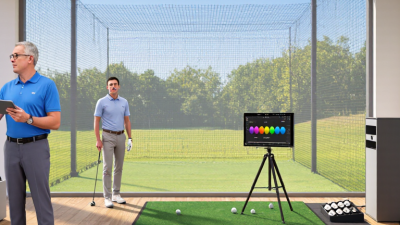
Compare models using the same ball, lie, and launch monitor, with at least ten shots each.
Record median carry, peak height, and left-right spread; discard obvious mishits consistently. A few perfect strikes can distort the result. I would be cautious about calling a five-yard carry edge decisive if the pattern widens by twenty yards. That is not a clean win. The report benchmark describes elite performance, while a fitting session should reflect the golfer’s own speed and strike. Note wind, turf, and shot count beside the numbers; otherwise, a neat ranking can look more certain than it is.
Match Shaft, Adjustability, and Price to Your Playing Needs
A hybrid should fit the shot you need, not just the gap on your scorecard. The National Golf Foundation’s 2023 participation report counted 26.6 million U.S. on-course golfers, a reminder that players’ needs vary widely. Shaft choice is personal, too. Compare weight and flex while hitting several shots, then check carry distance, launch, and left-to-right spread. A shaft that feels smooth may still produce inconsistent contact. That matters.
Adjustability helps fine-tune loft and ball flight, but it cannot repair a poor fit. Test the club from fairway lies and light rough, not only from a perfect mat. Watch whether changing loft also shifts your start direction. Price should include the shaft and fitting, not just the sticker price. A less expensive club with a suitable shaft may beat a costly model that needs extra work. One session can mislead, though; tired swings and unfamiliar turf change results. I would treat the numbers as evidence, not a verdict.